Early intervention and prevention report released
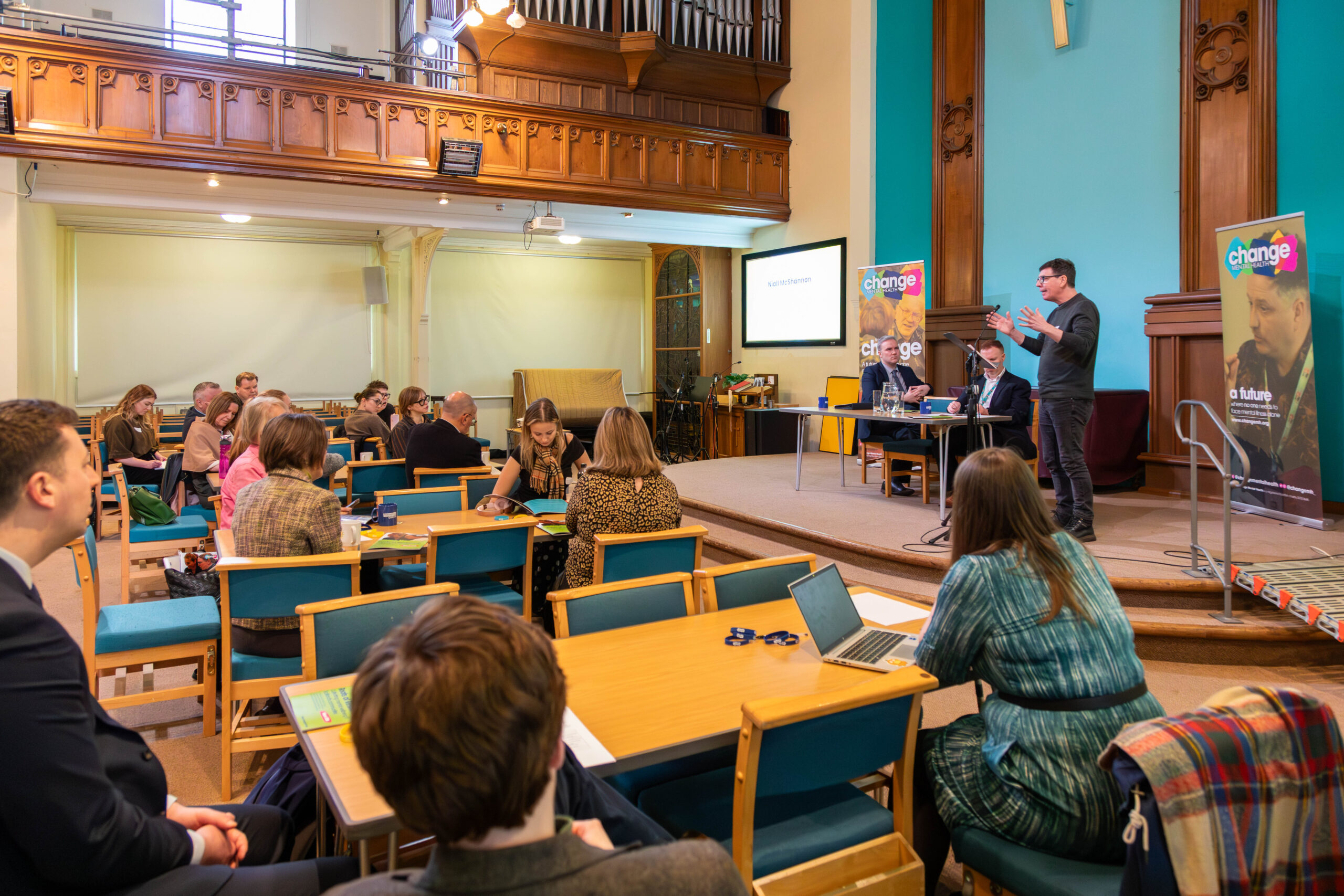
A report exploring and championing best practice of early intervention and prevention in mental health and mental illness was released on 4th March, to demonstrate examples of how it is best utilised across mainland and island communities in rural Scotland and beyond.
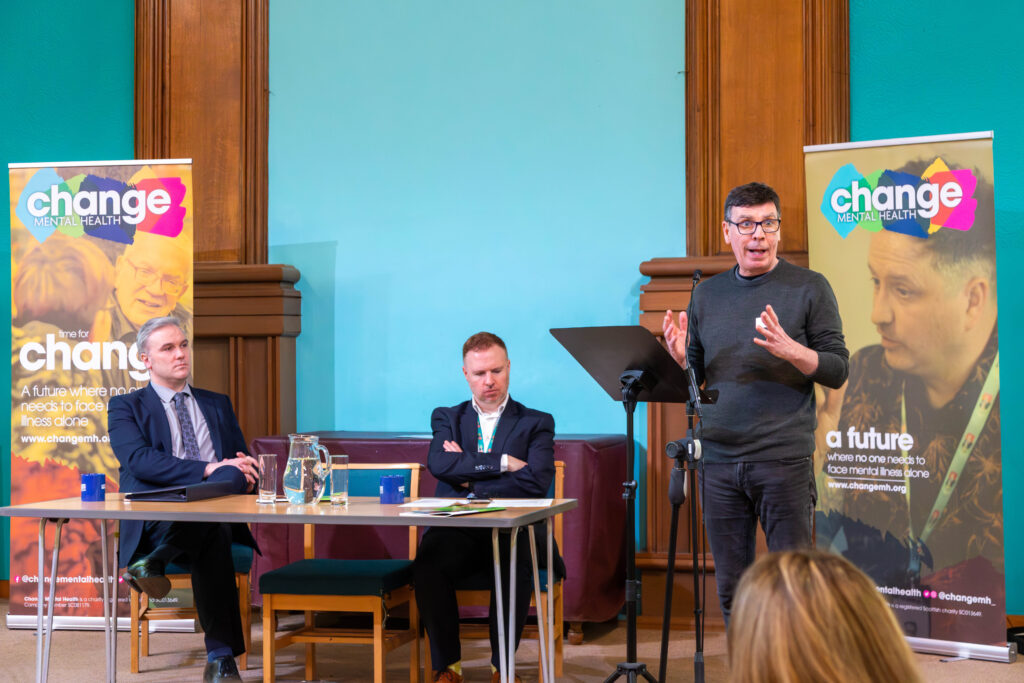
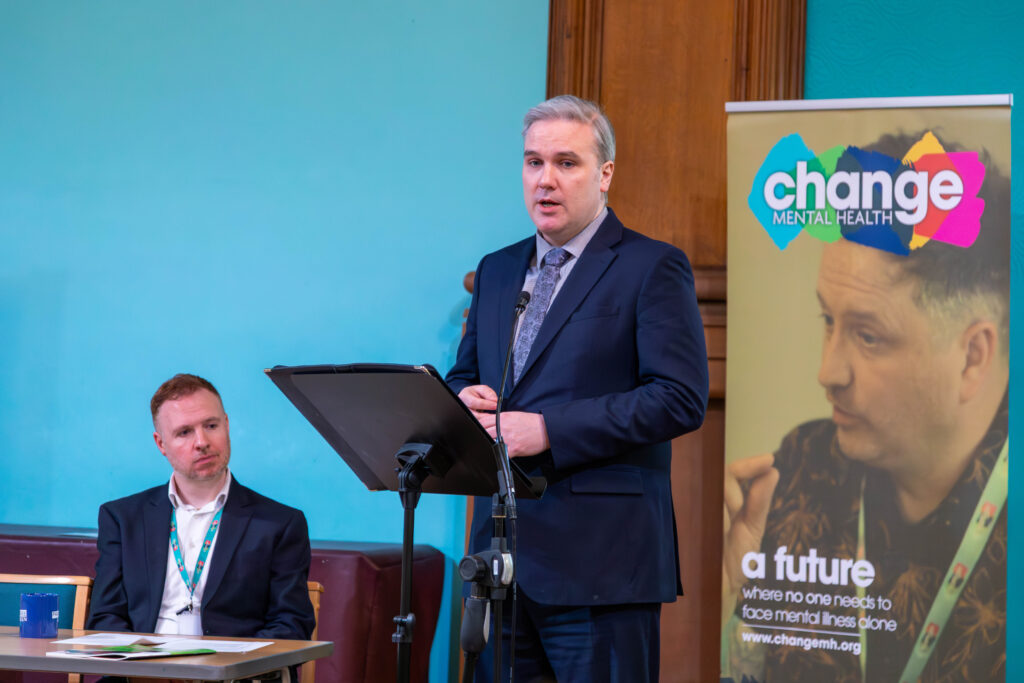
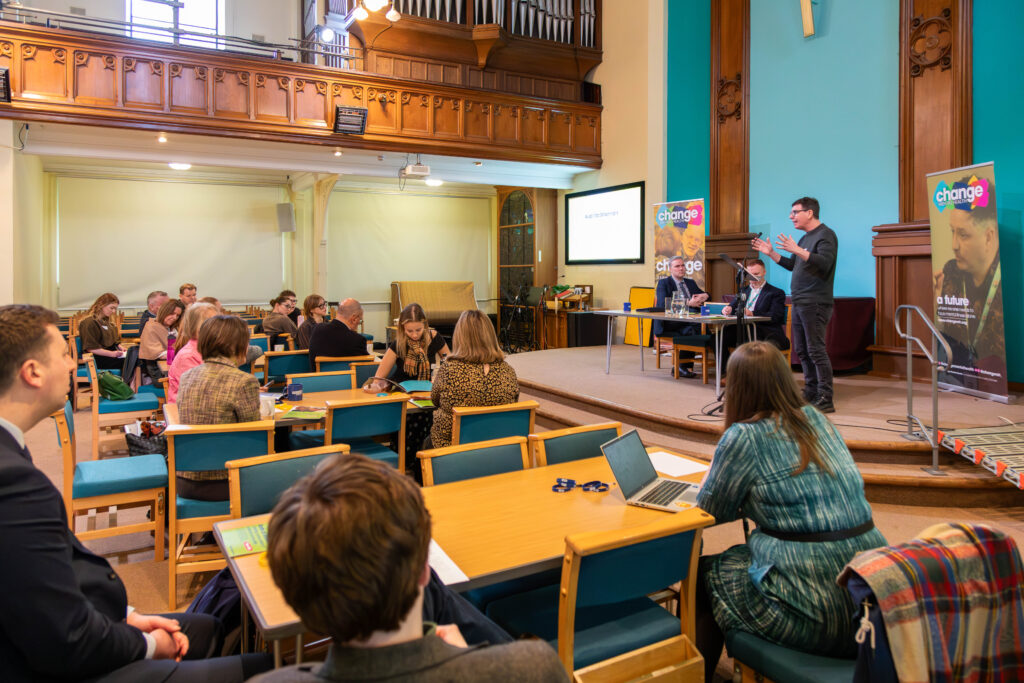
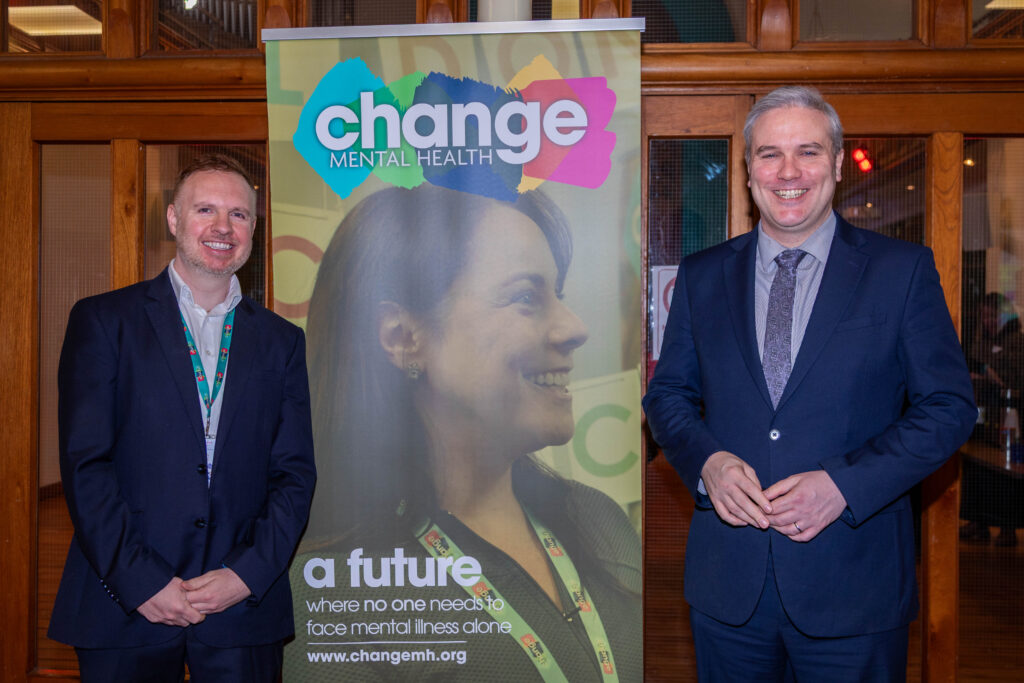
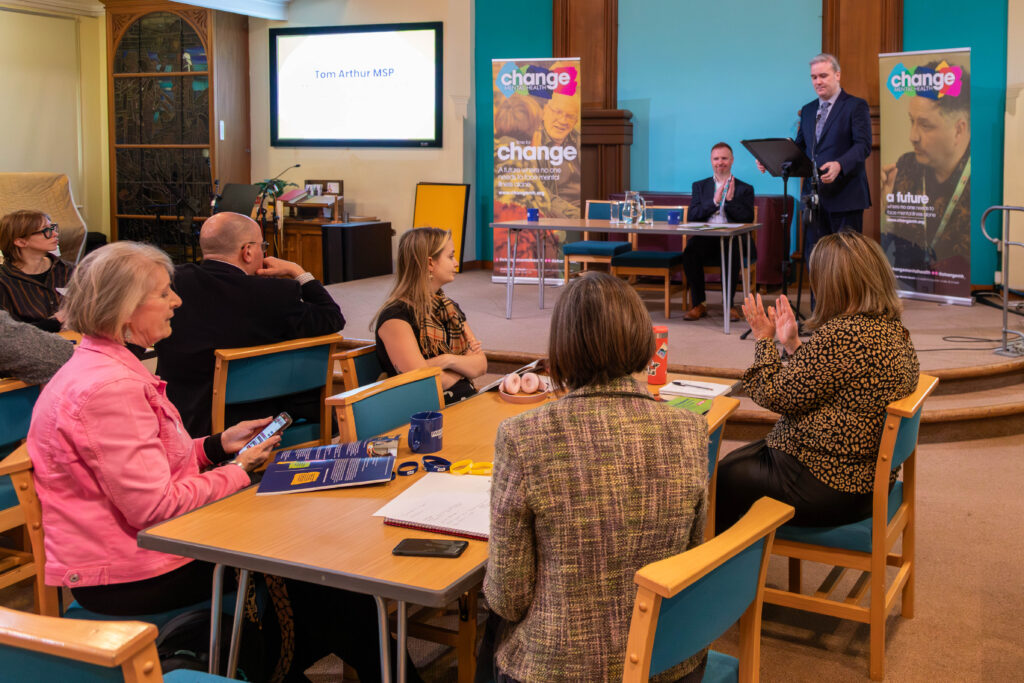
Released at Edinburgh’s Augustine United Church, speakers included our CEO Nick Ward, Clydesdale Community Initiatives‘ Niall McShannon and the Minister for Social Care and Mental Wellbeing, Tom Arthur MSP.
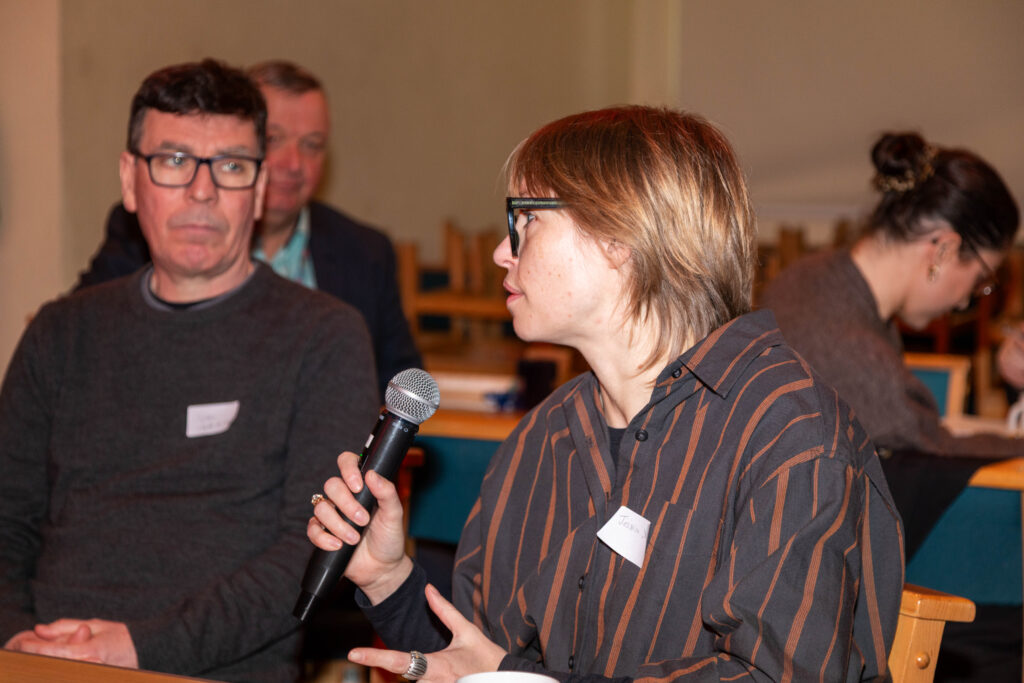
Guests from different organisations across Scotland – some of whom featured in the report – got to hear additional context about the report and give their views in a plenary discussion on how its work could further embed early intervention and prevention principles to better mental health outcomes.
Nick Ward, CEO at Change Mental Health, said in his opening remarks:
“For Change Mental Health, early intervention and prevention isn’t just part of what we do, it’s in our DNA. It’s how our organisation, it’s what communities tell us they need and it’s what we know makes the biggest difference: meeting people where they are, recognising distress and putting support in place before things escalate into crisis.
“We’re so pleased that early intervention and prevention remains a national policy priority. While the benefits are sometimes less visible in the short term, the impact is profound.
“But there is a simple truth: we need to invest upstream. Early intervention and prevention is not a ‘nice to have’. It is a core part of a sustainable mental health system.
“Speaking clearly: early intervention isn’t just morally right but also makes sense economically. Timely, localised support saves money – not because we’re reducing people to a balance sheet – because preventing escalation reduces the need for intensive, expensive interventions later. It helps people stay connected to everything in their life and their communities.”
The report
‘Roots of Resilience: Cultivating mental wellbeing in Scotland’s communities’ is a cross-sector exploration of early intervention and prevention in mental health and wellbeing with insights to evolve Scottish mainland and islands’ future plans.
The report highlights key insights to effective approaches which can be shared cross Scotland, including embedding co-design and peer support principles in quality assurance, launching a national and localised rural anti-stigma campaign, and enhancing core funding for place-based community development, among many more.
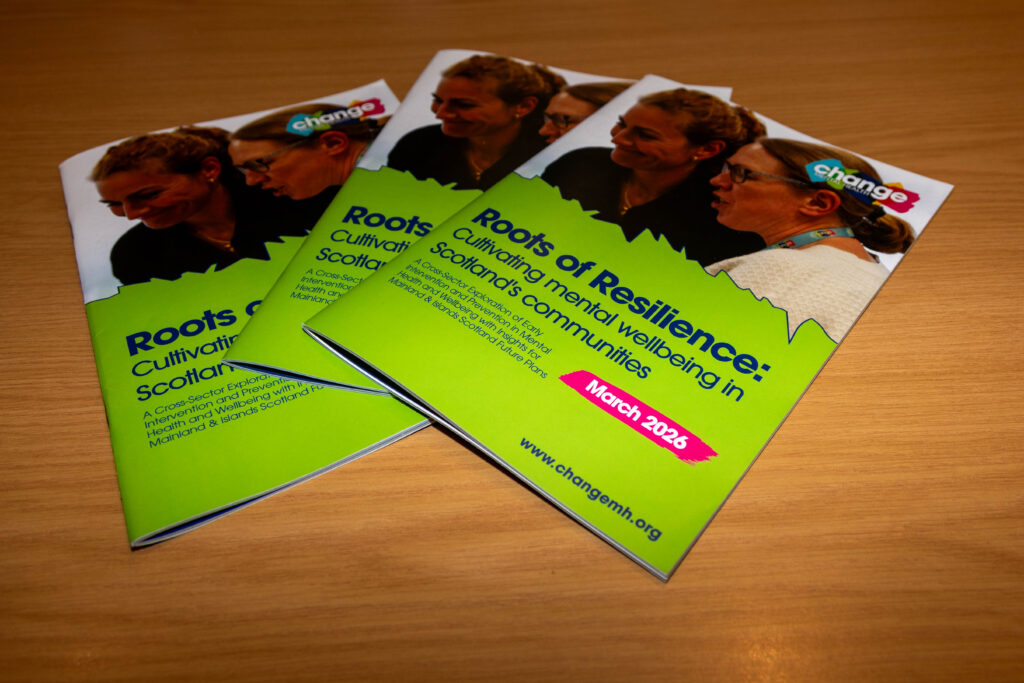
Over 420 stakeholders contributed to the report’s findings, including people with lived experience, service providers, researchers and policymakers. The report shows that applying early intervention and prevention approaches can help to build a mental health system that is accessible, inclusive and empowering.
Case studies include Step by Step in Moray, Together to Thrive in Tayside, Scottish Recovery Network across Scotland, and our very own partnership with Kingdom Housing Association in four council areas through central Scotland.
Aside engagement with organisations across Scotland, findings were collated at our Parliamentary Reception in February 2025, the SCVO Gathering 2025 and an Ages & Stages stakeholder event back in 2024.
Nick Ward continued in his speech to talk about the report’s impact:
“I’m particularly proud of what this timely report captures: best practice from across rural and islands Scotland, drawn from real services, real communities, real people and real experiences.
“’Roots of Resilience’ isn’t just a report about rural and island areas that sits on a shelf. It’s a report that says: there is wisdom, there are approaches, relationships and methods that can strengthen mental health support across all of Scotland.”
other news