Climate anxiety: Shaping our Climate Strategy
Jaz Lacey-Campbell, Workplace and Operations Lead, on how farmers facing climate anxiety turned our Climate Strategy into more than a plan to cut carbon.
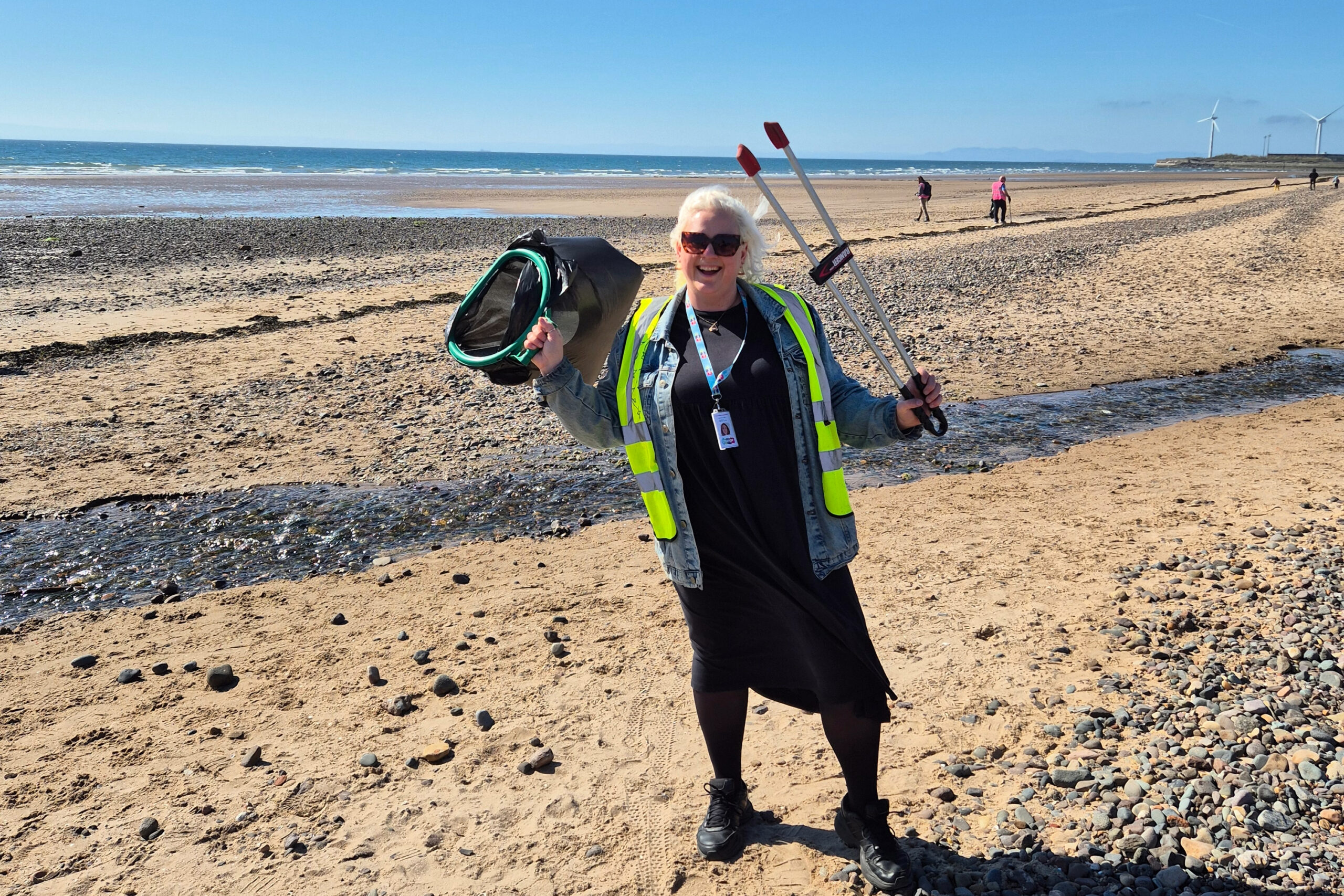
Climate change is usually talked about as an environmental problem. As Workplace and Operations Lead at Change Mental Health, I’ve spent the past year working on our Climate Strategy and it’s made me realise something significant: it’s a mental health issue too.
It affects people’s livelihoods, their sense of security and how they feel about the future. It made me want to share how Change Mental Health’s new Climate Strategy grew from a plan to cut our carbon into something much broader. But it also gave me the belief that a mental health charity does have a real part to play in climate action.
When my colleague David, our Operations Officer, and I started creating the Climate Strategy, it felt very challenging and, at times, a little overwhelming. Can one organisation really create enough impact to help Scotland reach net zero by 2045?
The strategy we ended up with looks very different from what I expected and most of that came from conversations with a group we work closely with: farmers.
Why our Climate Strategy became about more than carbon
David and I originally focused almost entirely on carbon reduction and how we could cut the organisation’s emissions. That’s important and it’s still part of the strategy. However, as a mental health charity, we have limits on how much carbon we can reduce. Focusing only on our own emissions didn’t feel like enough.
What Change Mental Health does have is a role in communities across Scotland and a growing understanding of how climate change affects people’s mental health. Flooding, storms and extreme weather have long been linked to anxiety, depression and post-traumatic stress disorder (PTSD). On top of that, many people now feel distress simply from knowing what is happening to the climate. ClimateXChange’s 2024 report on climate change, mental health and wellbeing found that as many as 70% of people in Scotland worry about climate change and a quarter say it affects their mental wellbeing.
Climate anxiety in farming communities
In 2025, Change Mental Health received funding from the Highland and Island Climate Hub to develop a Climate Anxiety Training Pilot for agricultural communities. Farming is one of the sectors most exposed to climate change, so it made sense to start there. The project brought together farming communities, sector specialists and organisations supporting rural industries, alongside Keep Scotland Beautiful, SAC Consulting and researchers at The University of Glasgow.
In my conversations with farmers and crofters, it was clear that changing weather patterns were already having a dramatic impact on the industry. One farmer described how a dry summer followed by periods of heavy rain had affected yields. Many farmers and crofters would struggle financially through the winter and that would hit their livelihoods and their mental health.
At the same time, he was worried that much of the climate action being discussed seemed to threaten traditional farming practices. That tension came up again and again throughout the project.
It became a key influence on how we developed our training for young farmers and crofters, which became Staying Grounded. We realised that support and advice needed to feel relevant to people’s lived experience and their livelihoods, while still helping them engage with climate action. The result is three videos with practical tools for managing stress, anxiety and the mental impact of changing weather, led by Kerry Hammond of SAC Consulting.
More than anything, it showed me how important it is to tailor conversations about climate change to the people you’re talking to. If they don’t recognise their own lives in it, they won’t engage.
Carbon literacy
Around the same time, I completed my Carbon Literacy accreditation. It helped me understand the science behind climate change and therefore where we can make the most impact. It also reignited my sense of hope that even small actions can make a difference.
I realised that climate action doesn’t always look like the things people immediately think of, such as switching off lights or turning down the heating. For me, one of the biggest takeaways from that training was this strategy. Once David and I started looking at how climate action could be built into the work Change Mental Health already does, it began to feel exciting rather than overwhelming.
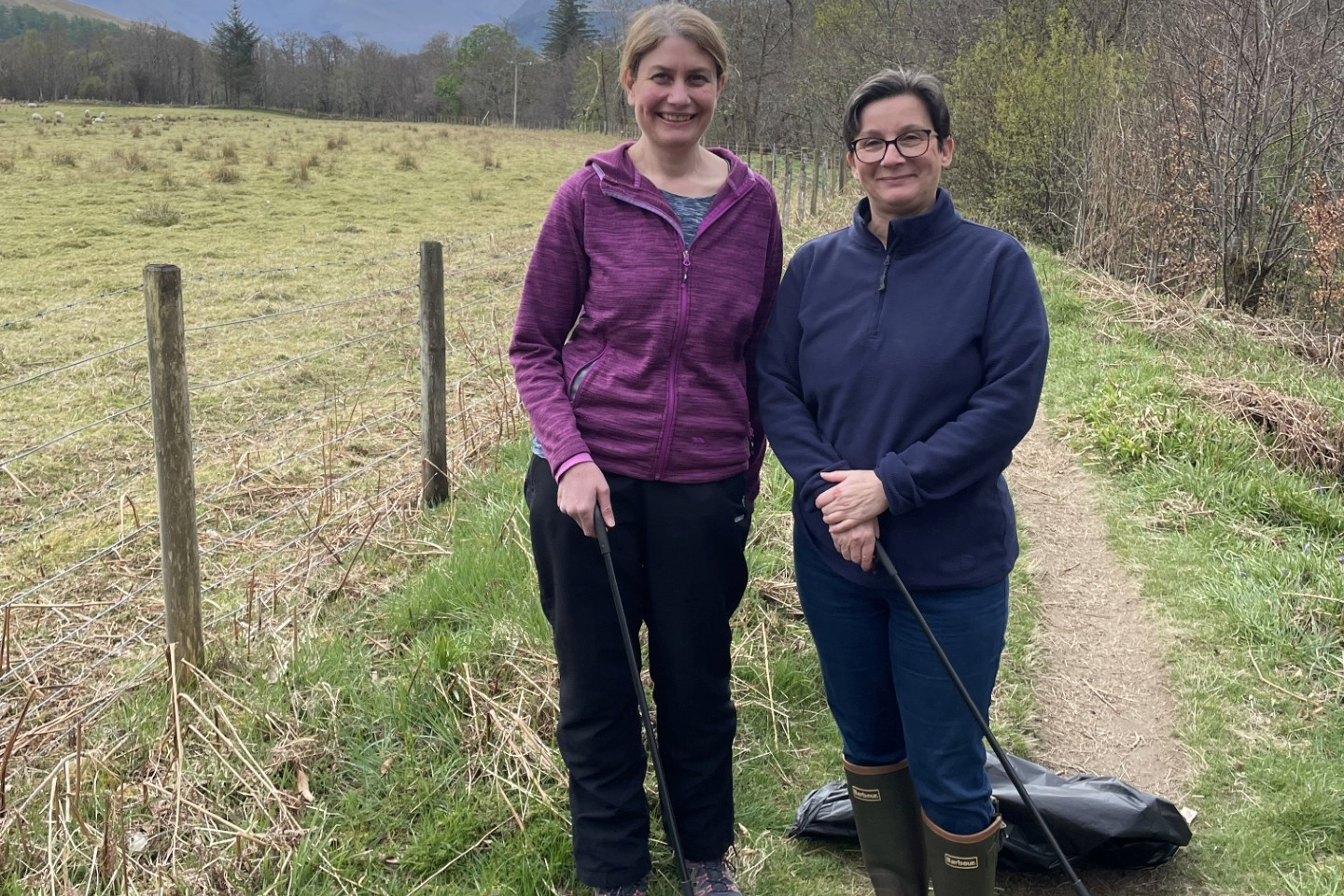
The three aims of our Climate Strategy
Between the farmers and the training, I became much more aware of something: knowledge, social connection and being able to act don’t just help to reduce emissions. They can also reduce feelings of anxiety, overwhelm and helplessness. That’s how the strategy grew from one aim into three.
Community action
In the pilot, community was what held people together. Through the strategy, Change Mental Health will strengthen its partnerships with Scotland’s Climate Action Hubs. We will work alongside staff, volunteers, people we support and community partners to assist with climate action that strengthens wellbeing and community resilience. We believe that lasting change happens when communities are empowered to take action together.
Climate confidence
I’ve seen for myself what understanding climate change can do. Every employee will be offered Carbon Literacy training. We’re also setting up an internal Sustainability Hub and a Green Team, while expanding our climate anxiety training and resources for staff, young people and marginalised groups.
Carbon reduction
We will reduce the emissions associated with our buildings, services and operations through more sustainable ways of working, improved resource efficiency and better environmental decision-making.
This is the start
We still have a lot of work ahead to drive engagement, reduce emissions and develop further training. But this strategy is just the start.
One of the most rewarding parts of this work has been the connections and conversations I’ve had with people, sharing information and sparking new ideas. I’m looking forward to what the strategy will bring, both within the organisation and through new partnerships.
support
The three Staying Grounded videos we developed with young farmers and crofters will soon be available for free, along with a digital toolkit of practical exercises, coping strategies and signposting.
If you’re part of the farming and crofting community, or would like to learn more about rural mental health, you can join us at the National Rural and Islands Mental Health Forum. We hold seminars every month.