Parliamentary Reception celebrates new Strategy
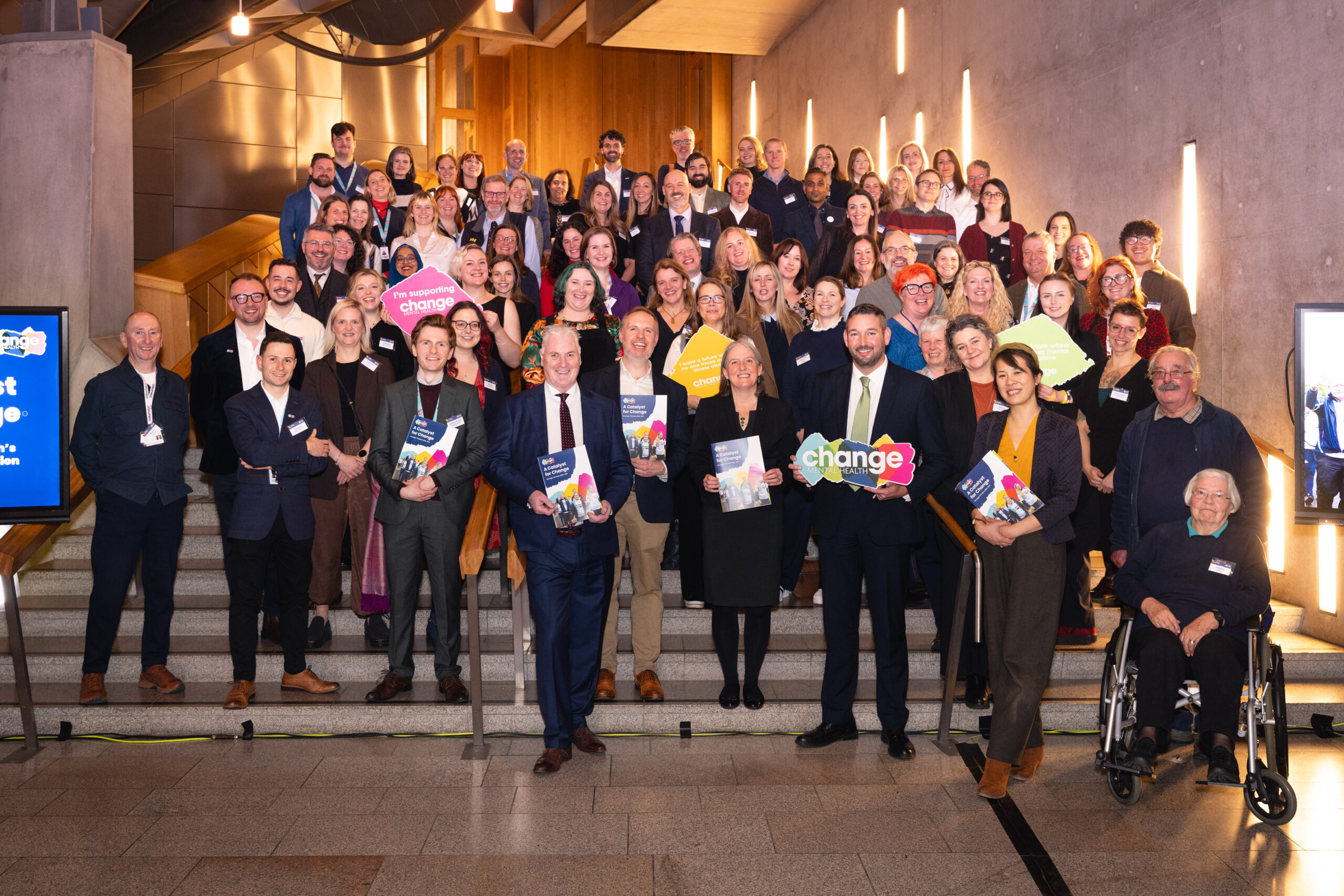
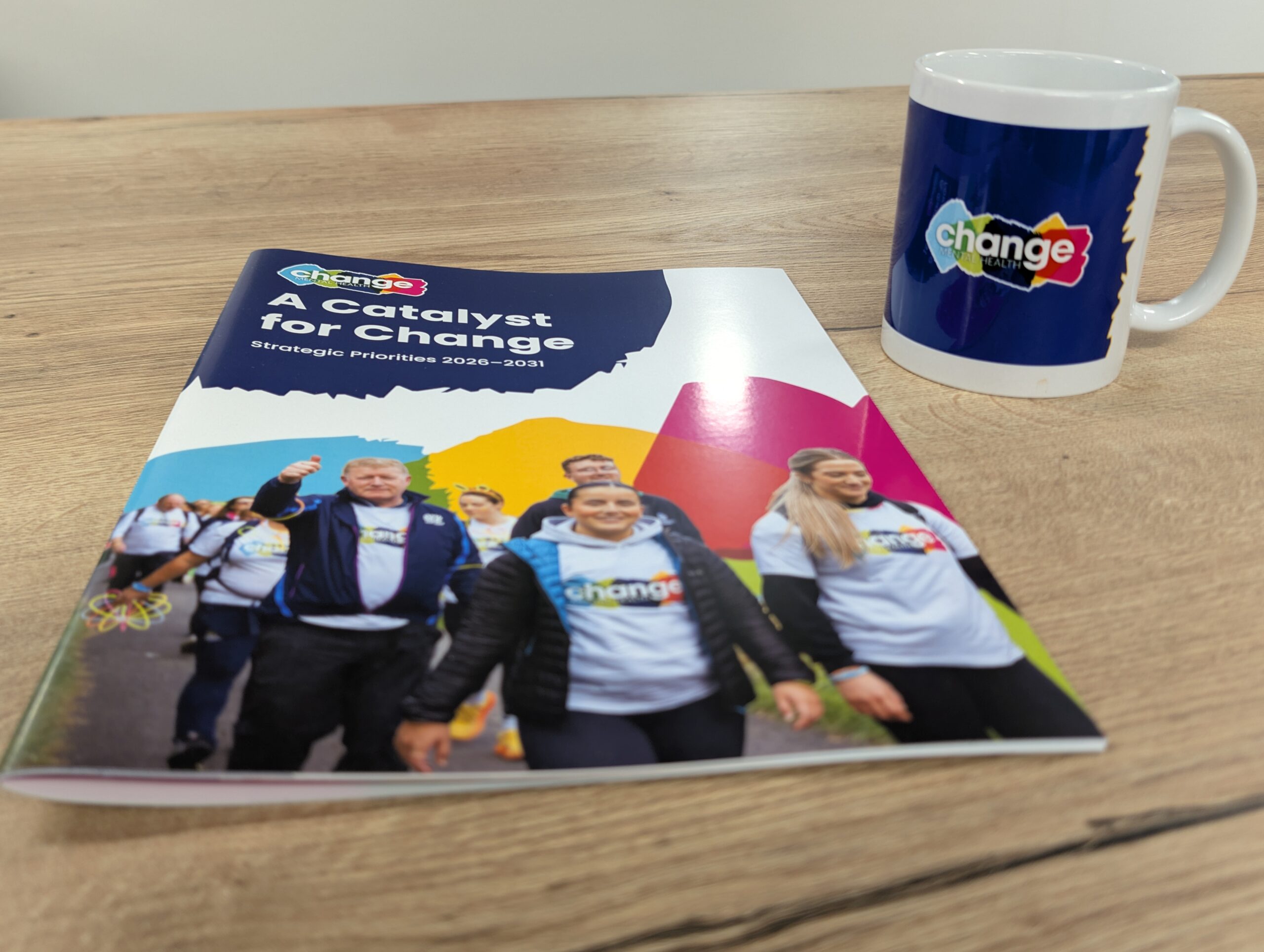
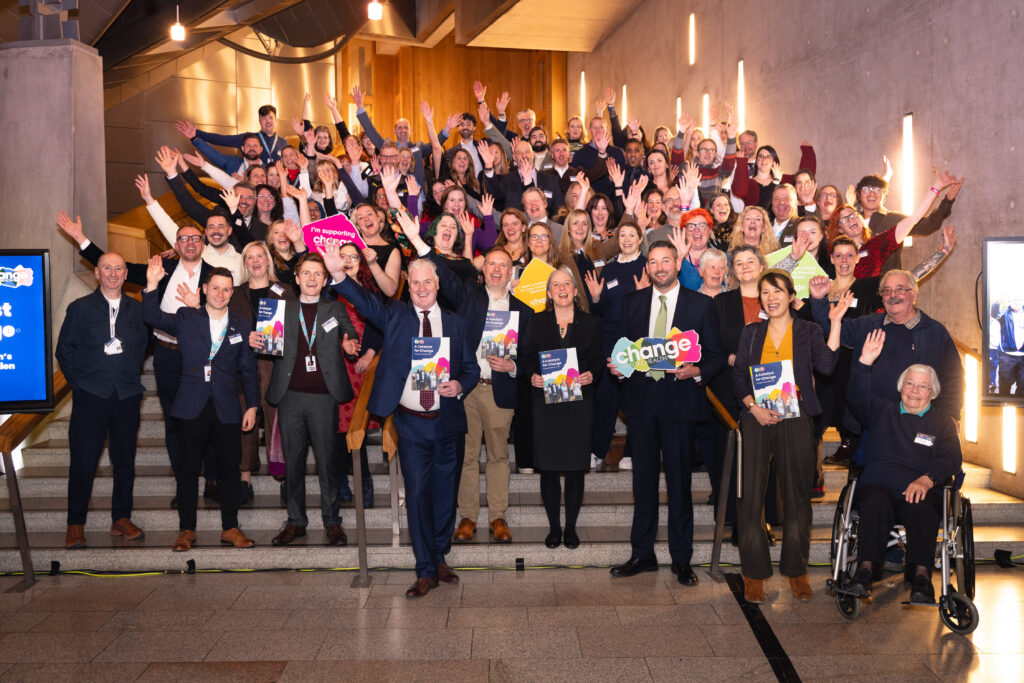
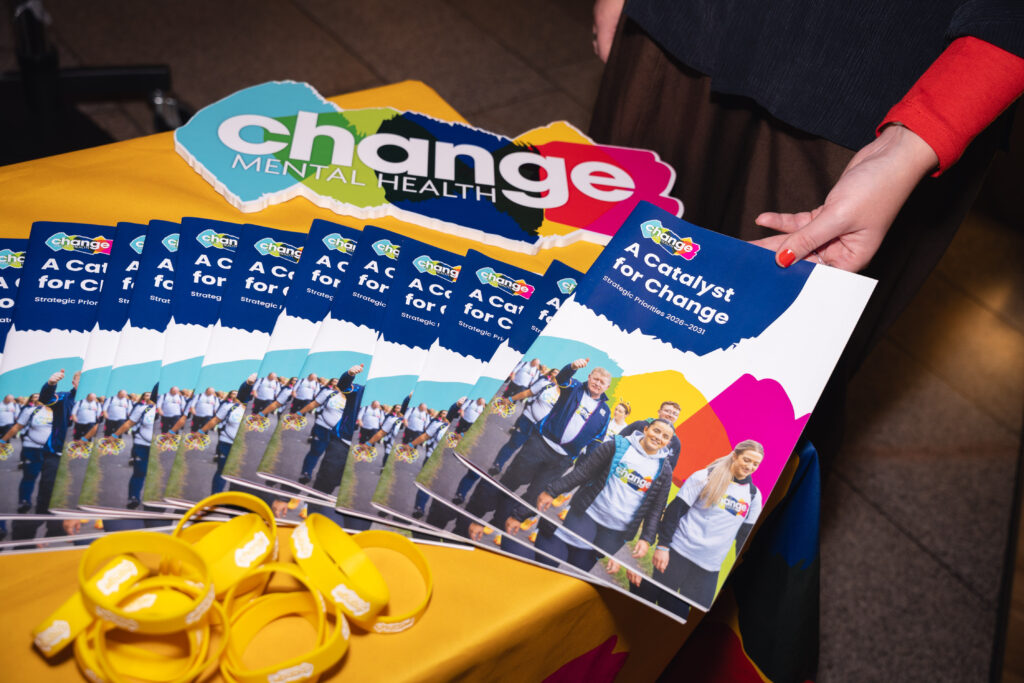
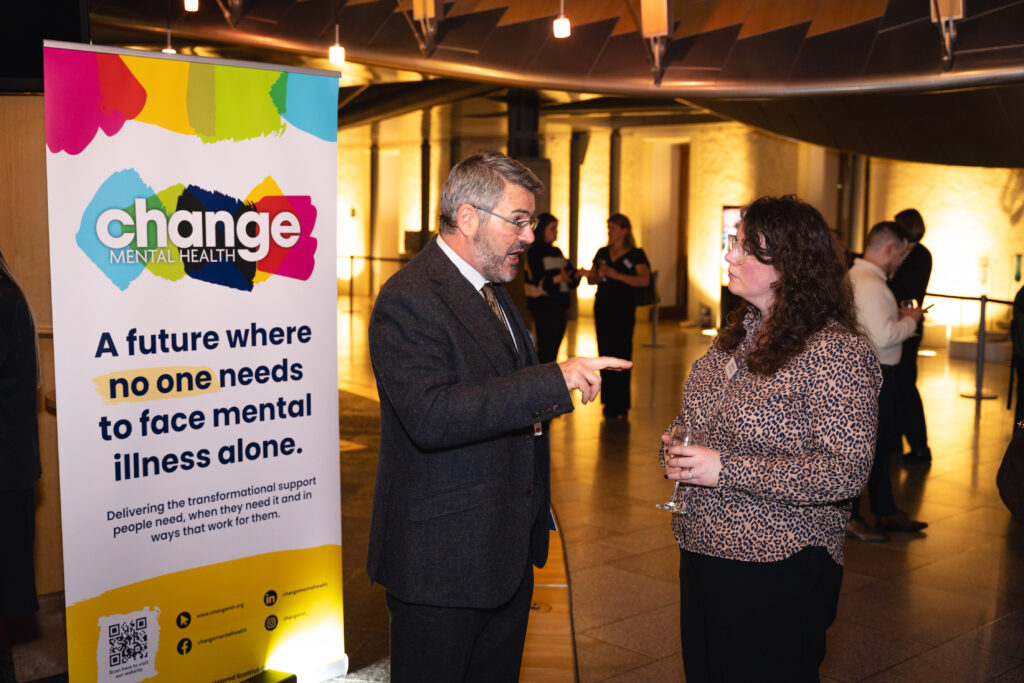
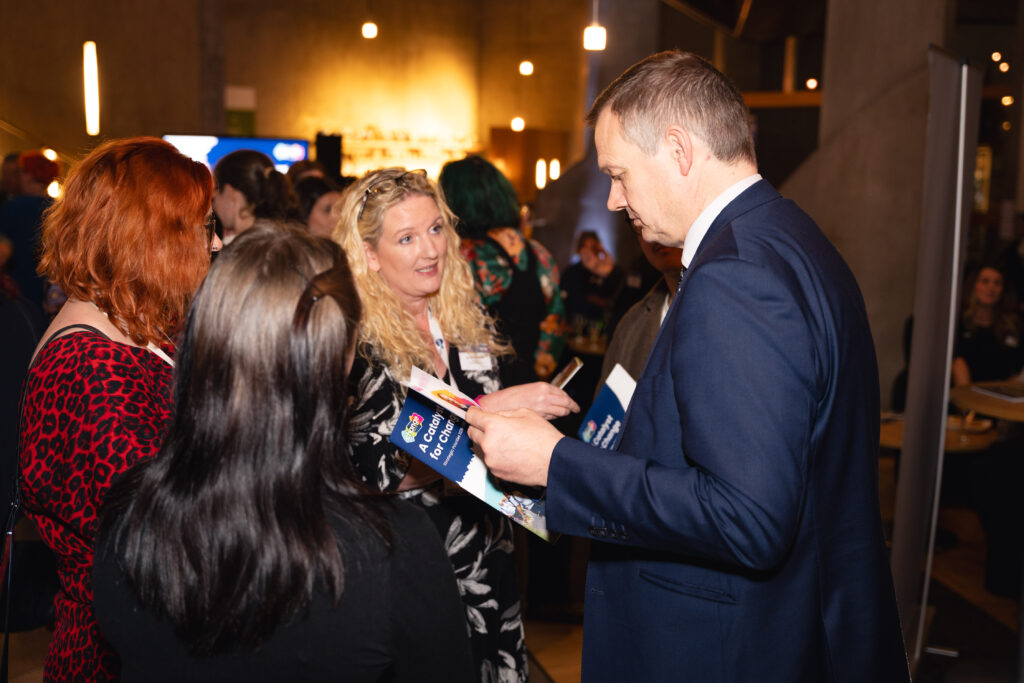
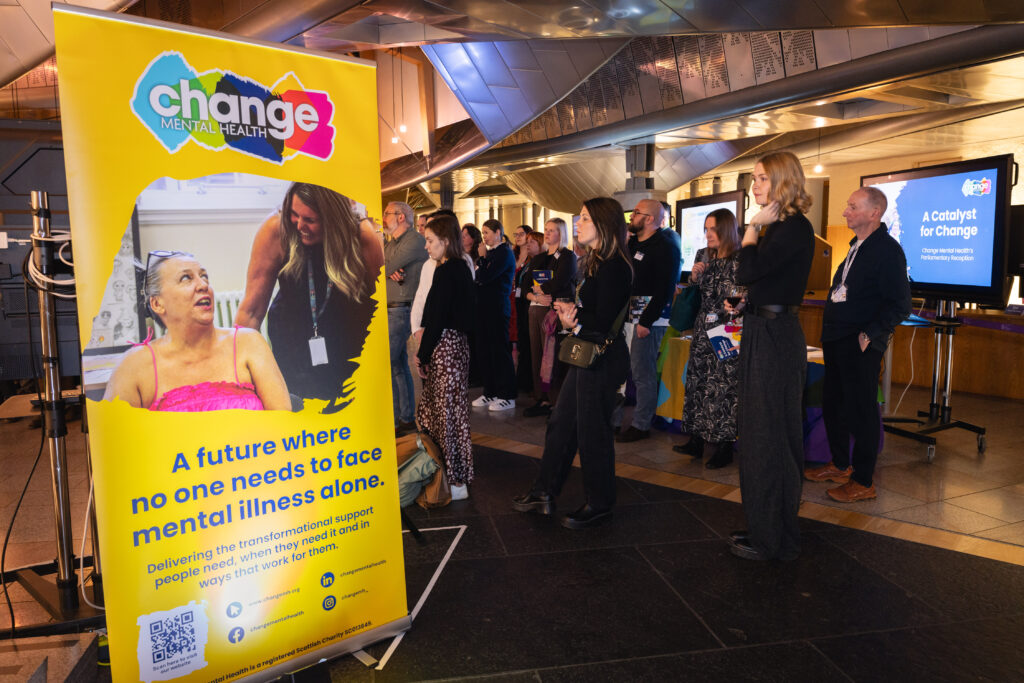
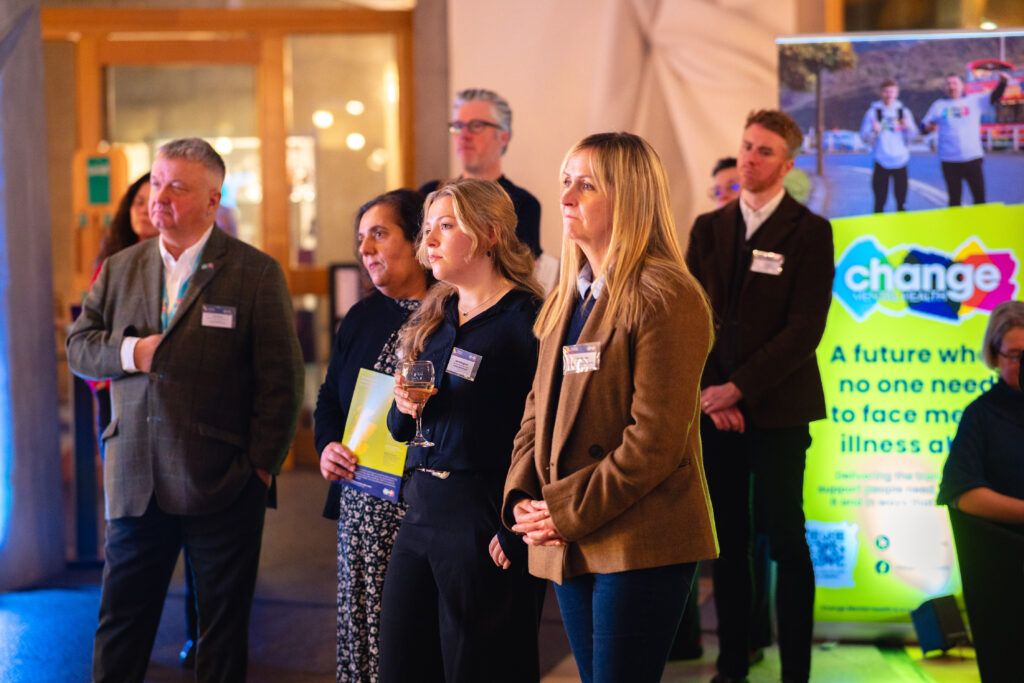
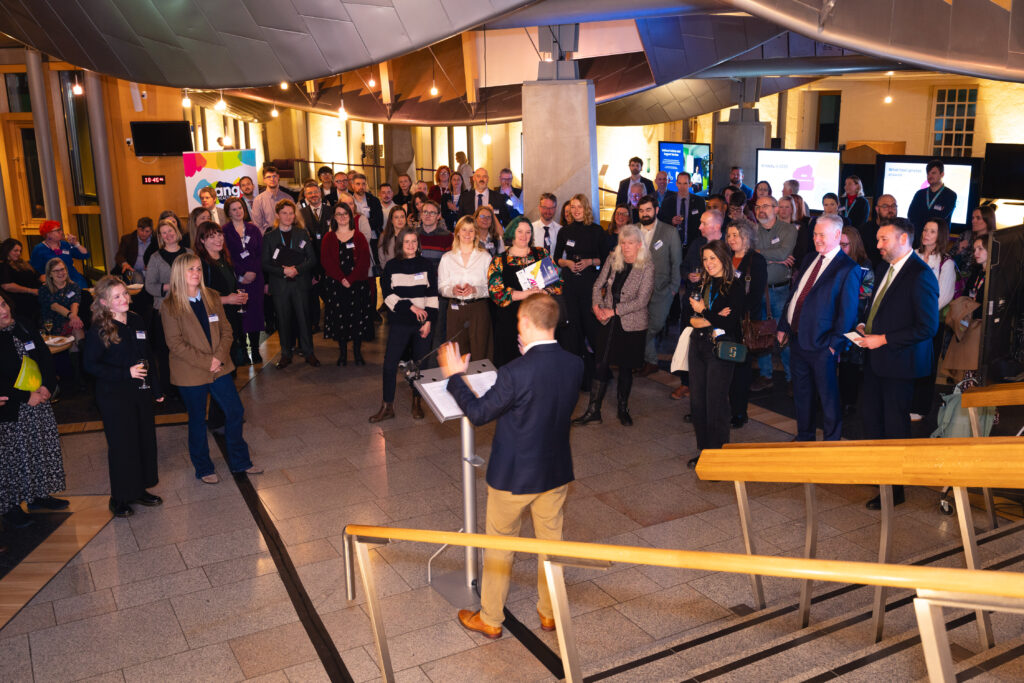
Change Mental Health celebrated its new strategy, ‘A Catalyst for Change’, at a Scottish Parliament reception.
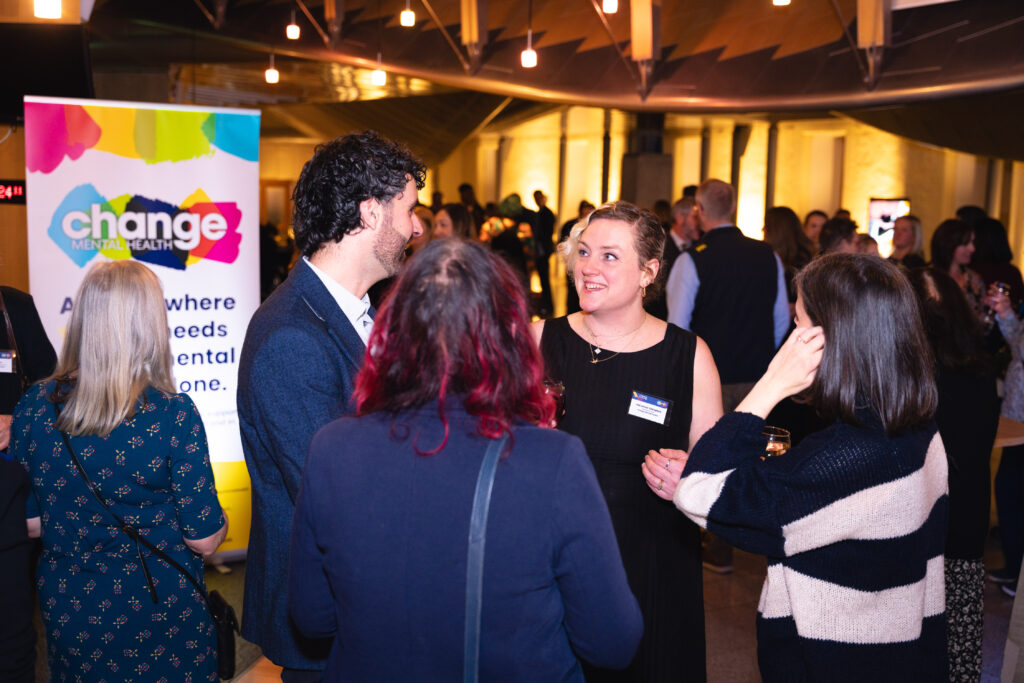
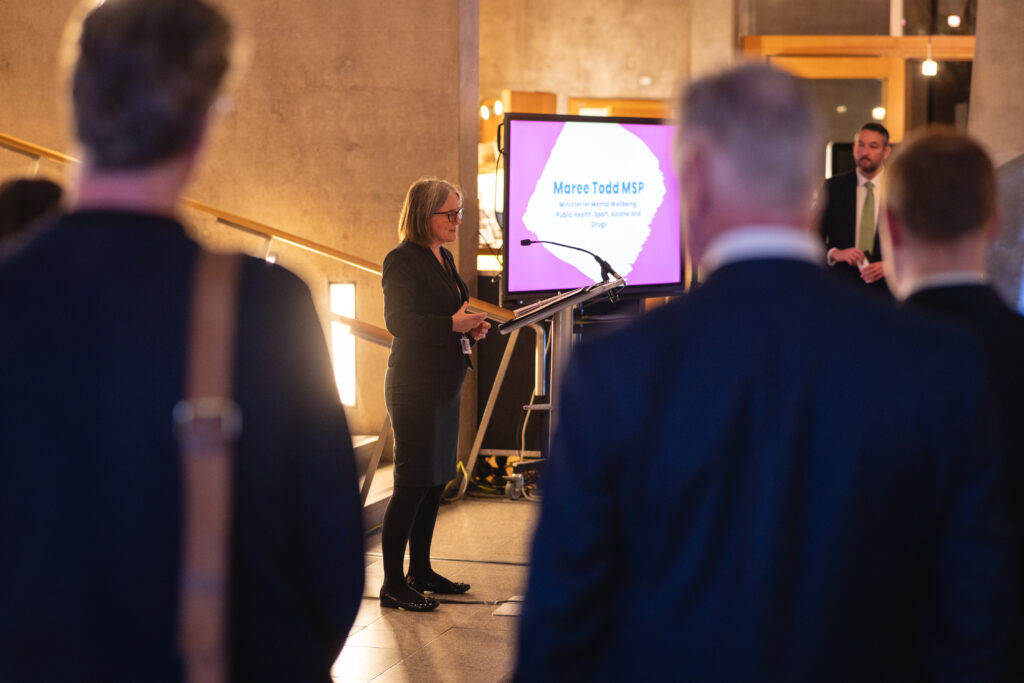
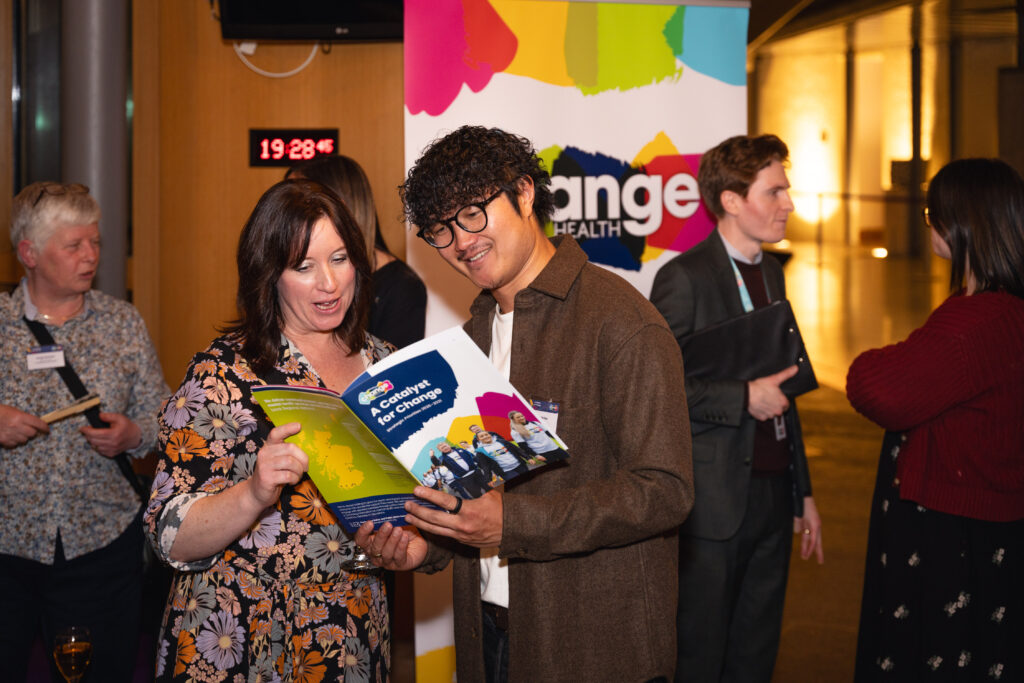
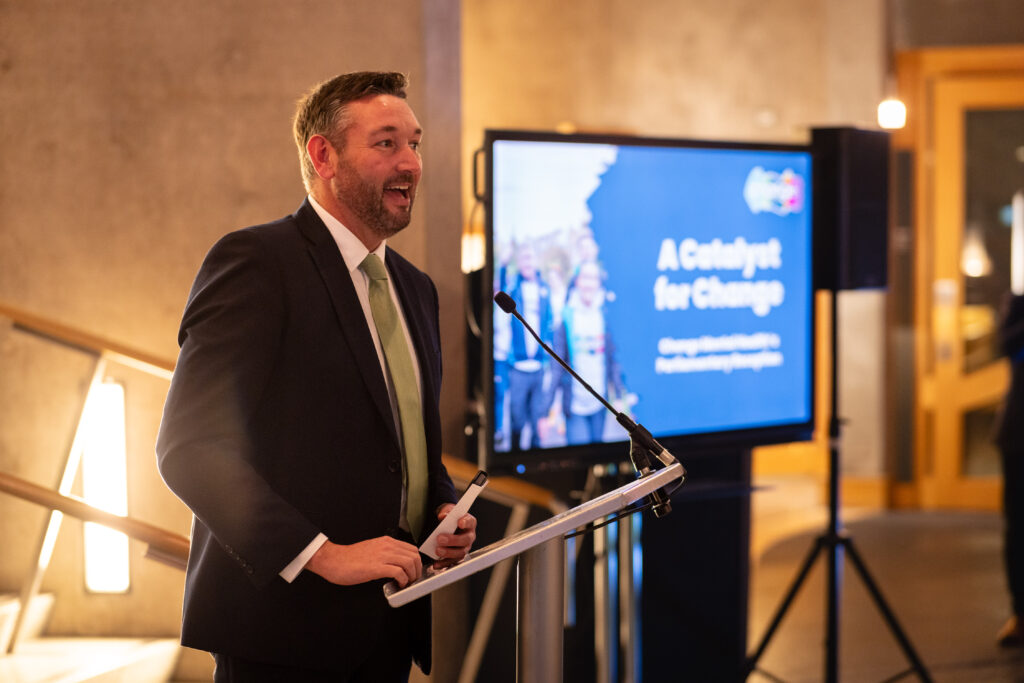
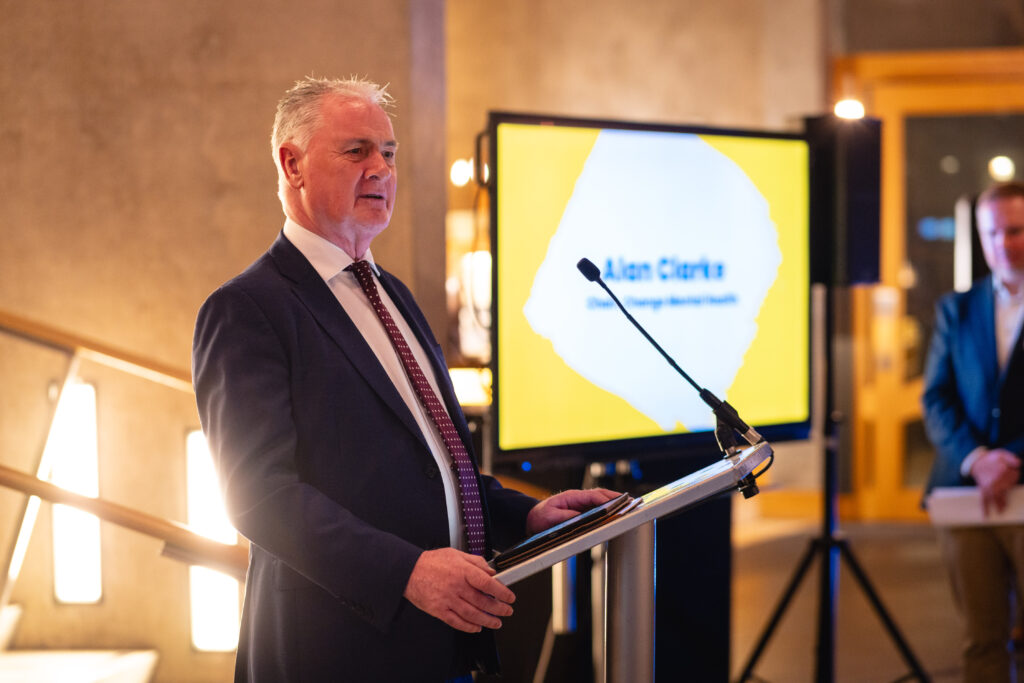
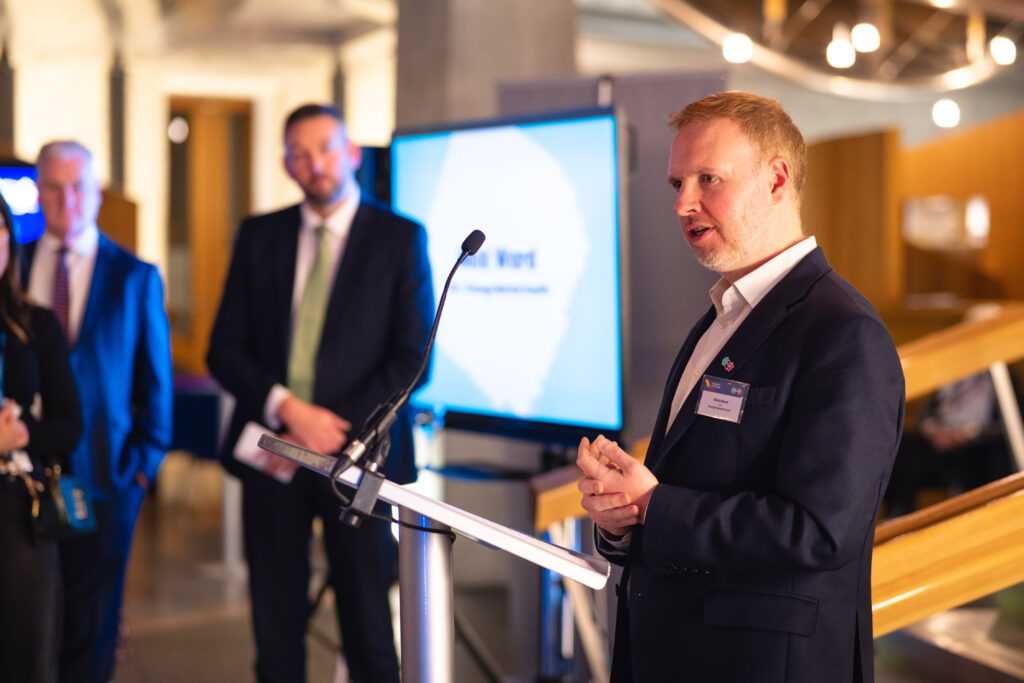
In a room full of people from across different sectors, parliamentarians and partners, the reception was hosted by Miles Briggs MSP, with speeches from our CEO Nick Ward, our Chair of the Board Alan Clarke, and Minister for Mental Wellbeing, Public Health, Sport, Alcohol and Drugs Maree Todd MSP.
‘A Cayalyst for Change’ sets out an ambition to raise the bar for mental health support in Scotland and driving change across the wider mental health system. It looks to campaign for a fairer mental health system – one where people get support when they need it, more resource that goes into prevention, and ensuring that people with lived experience have a real say in the decisions that affect them.
At the reception, key themes explored how things need to be better and how the system needs to improve for people to access the support they need. Our CEO Nick Ward’s speech said ‘A Catalyst for Change’ is the response: one that commits to earlier help, support closer to home, closer partnership working and high-quality work across sectors. Both Alan, our Chair of the Board, and Nick welcomed the Scottish Government’s appetite for reform, with Maree Todd acknowledging that the new Change Mental Health strategy is closely aligned with the Mental Health and Wellbeing Delivery Plan.
Nick also spoke further about the commitments made in the strategy: driving up the quality of our work to be exemplary, furthering championing early intervention and prevention, working deeper in rural and islands communities, among more.
Nick Ward, CEO of Change Mental, said during his remarks:
“Tonight is an opportunity to share our new strategy, A Catalyst for Change, and discuss how we can help Scotland meet the challenges ahead.
“Our new strategy outlines how Change Mental Health will play our part in beginning to address these systemic problems. Its emphasis on earlier help, support close to home and partnership gives us something concrete to build on. This strategy declares loudly that the system isn’t good enough and that we all have a part to play in making it better. It identifies not just the levers that we think can make a difference, but commits us as an organisation to helping to improve that system.
“We put the people we support right at the heart of what we do, and our role to provide them with a platform to influence and change the system.
“We have the knowledge, the experience and, in this room, the people to make progress. To all of you here: you have our commitment and passion to make real change.
“So, let’s turn that into lasting support, and a Scotland where no one needs to face mental illness alone.”
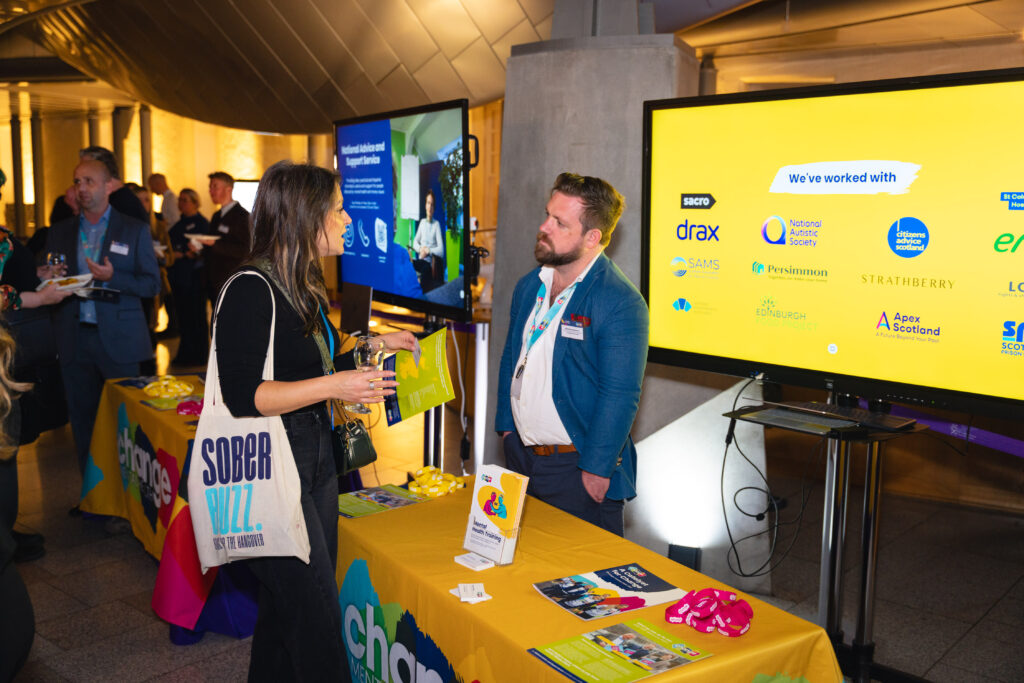
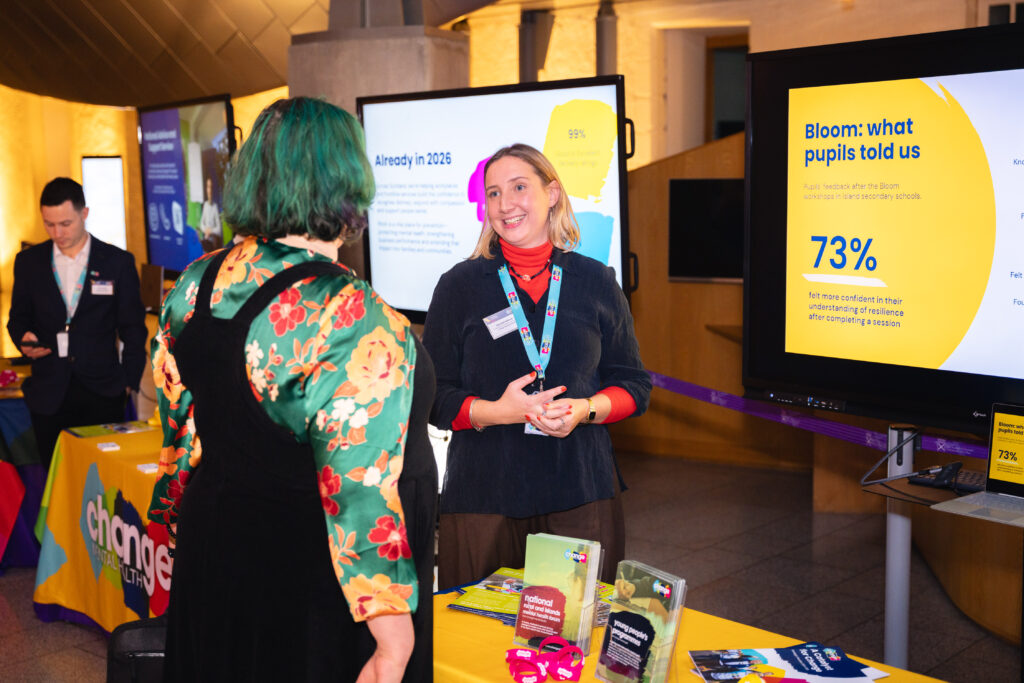
The Parliamentary Reception also showcased our latest impact report, stating how Change Mental Health has supported over 11,000 people in the last year. Stalls at the event platformed the National Advice and Support Service, Young People’s Programmes and our mental health training offer.

other news