Fredrick’s story: From mere existence to sheer resilience
Fredrick shares how Change Mental Health’s Signature Project in Edinburgh helped him manage anxiety, live with PTSD and find connection after years of trauma.
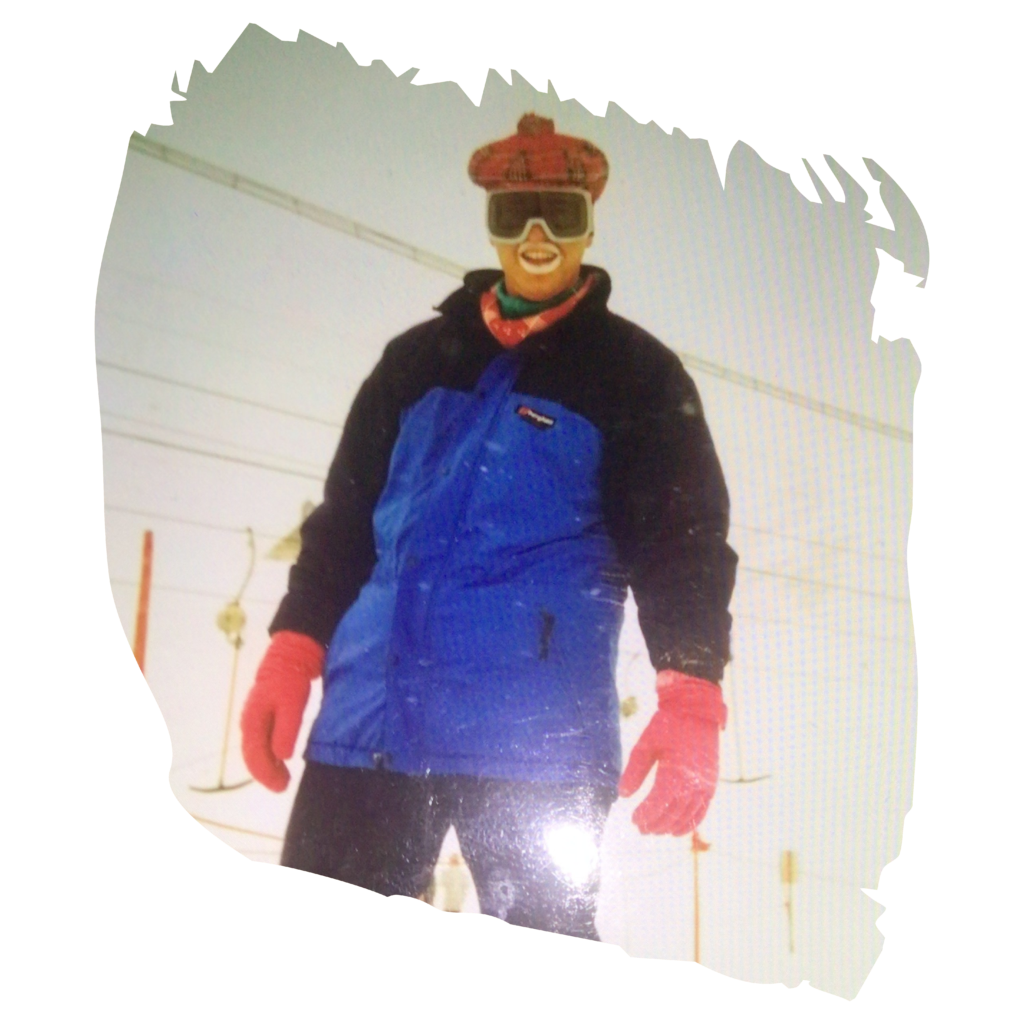
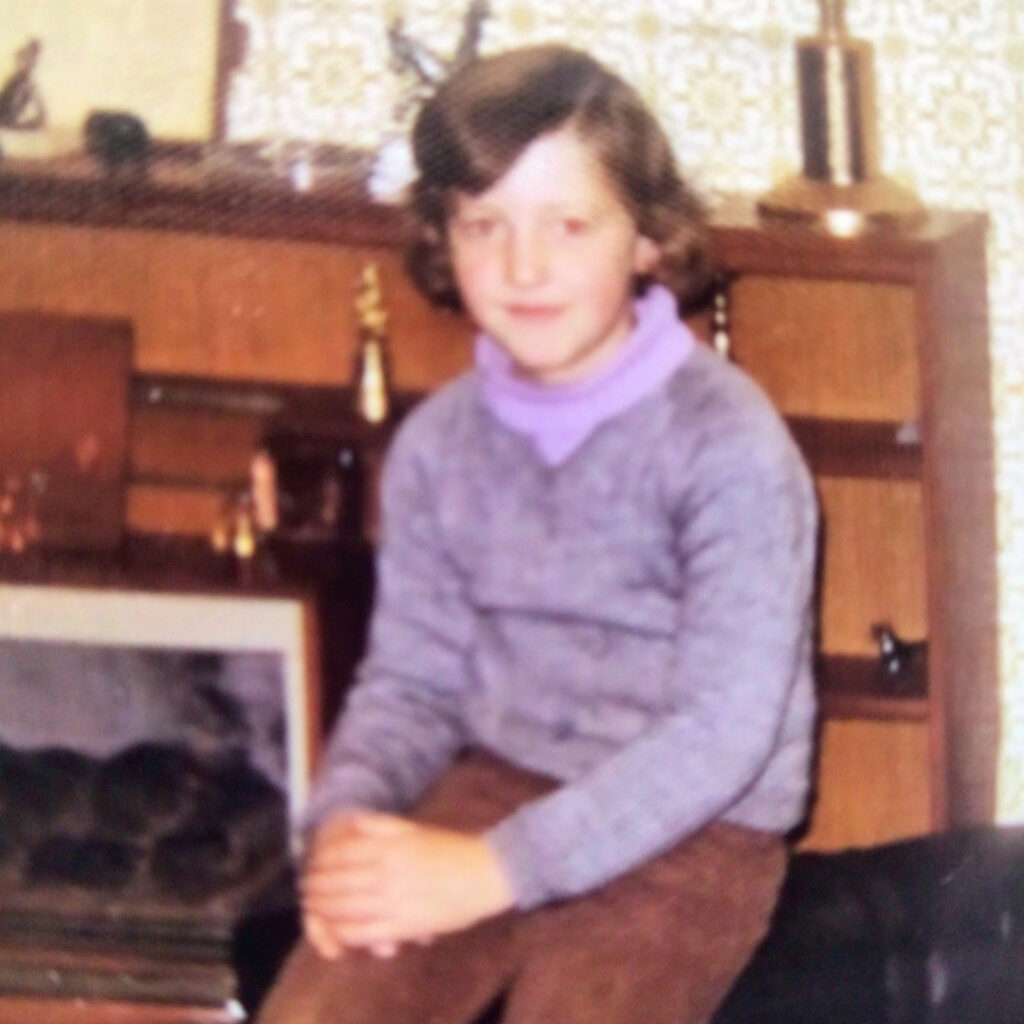
A tumultuous childhood full of bullying and losing my father in a road accident at the age of five left invisible marks on me. The years that followed were equally turbulent. I struggled with always feeling like I was born in the wrong body and had to endure physical and mental abuse on an almost daily basis.
People were ill at ease with having a very effeminate boy in their midst. But then this was the general mindset back in what I call the dark ages of the 1970s, especially when you came from a rough working-class area.
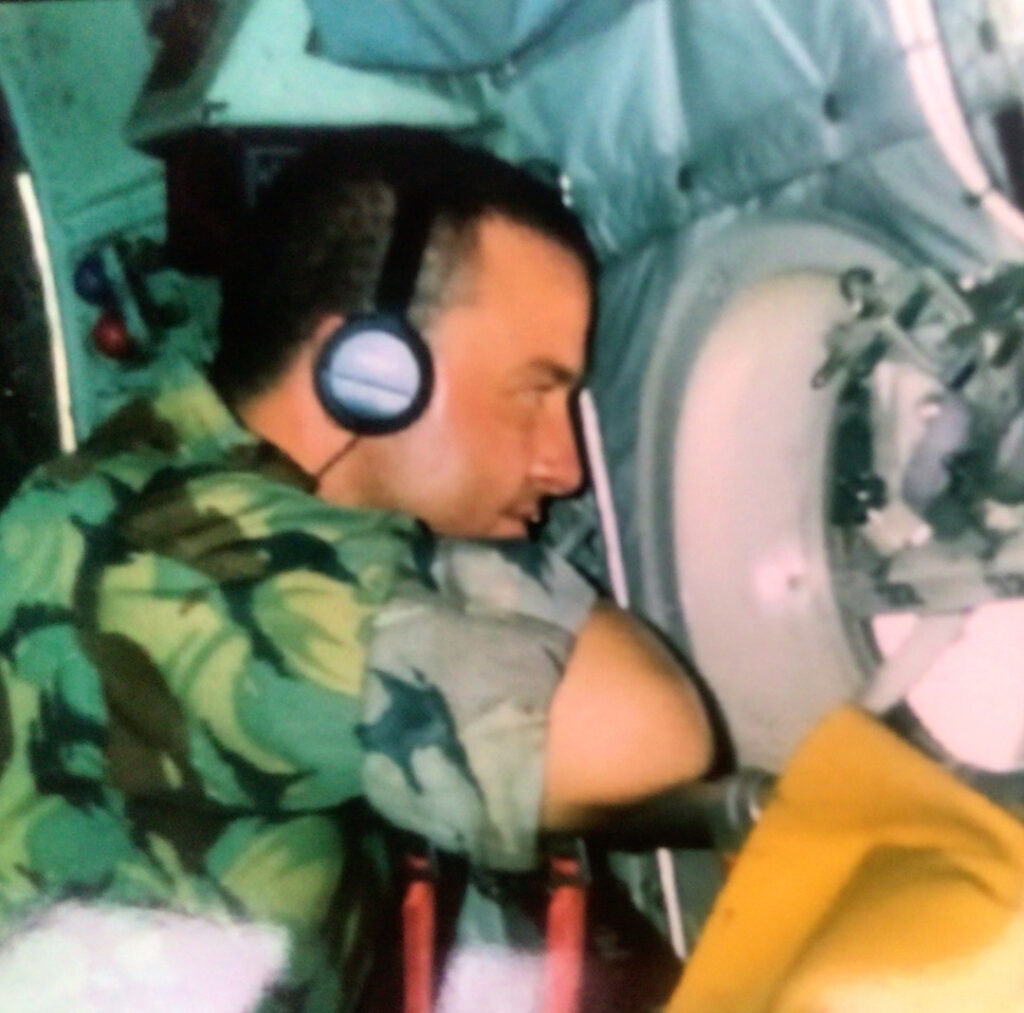
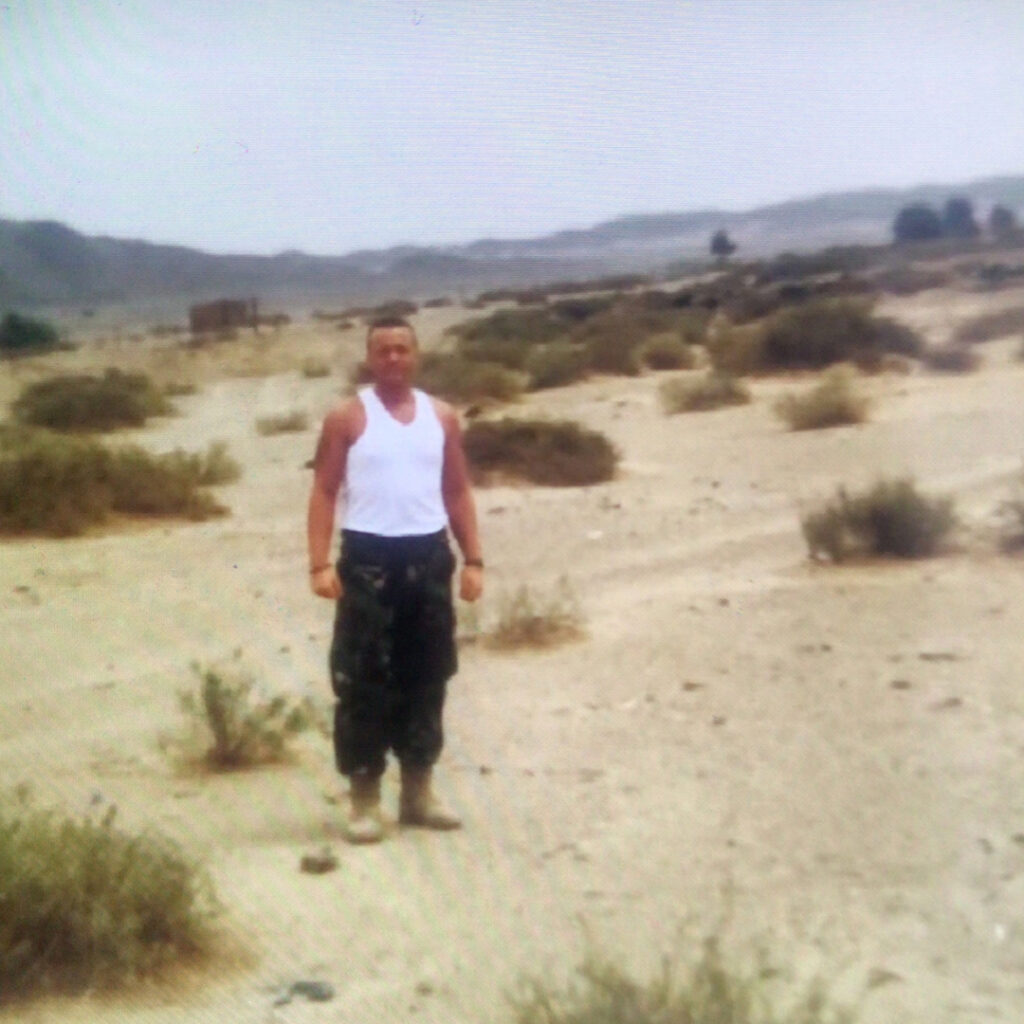
I then joined the military, but having to hide my sexuality and live a lie for the duration of my twelve years of service, in order to avoid more serious persecution, jail and dismissal, was no bed of roses either. Being gay was illegal in the UK military prior to the year 2000. I served in the 80s and 90s, but this wasn’t stressed during the recruitment process, causing many gay people to join the military and then learn the hard way as they served.
Cumulatively, the lived experiences of the first 30 years of my life formed and left deep-rooted psychological wounds. Over time, I came to understand that I was living with Post-Traumatic Stress Disorder (PTSD) and many of the symptoms associated with Complex PTSD. Anxiety, panic attacks, nightmares and feeling constantly on edge had become part of everyday life.
Leaving the military and finally coming out as a gay man did not erase those experiences. For years, I moved between jobs, therapy and medication, trying to understand why my mental health continued to deteriorate. Eventually, I reached a point where I knew I needed help.
Finding Change Mental Health, the Stafford Centre in Edinburgh and later the Signature Project felt different from anything I had experienced before. Alongside one-to-one support, there were social groups, creative activities, singing sessions and opportunities to meet people who understood what it felt like to carry difficult experiences. I find laughter and singing to be natural medicine. After spending so much of my life feeling different, isolated and misunderstood, I found a community where I could be myself without fear of judgement.

Managing anxiety through shared experience
One of the opportunities I was encouraged to take part in was the CBT-based Anxiety Management course. If I am being completely honest, I approached it with a degree of apprehension. I have lived with anxiety for a long time and social situations have never come naturally to me. Walking into a room full of strangers and being expected to talk about personal experiences was not something I found particularly appealing.
The first couple of sessions were quiet. People were understandably cautious and unsure about opening up. As the weeks passed, the group became a comfort zone. As one person opened up, it encouraged someone else to do the same. The atmosphere was warm, non-judgemental and supportive. Rather than feeling pressured to speak, people were given the space to do so when they felt ready.
The course was designed to help people manage anxiety and it certainly did that. We explored practical coping strategies and techniques that people could use in everyday life. One technique that has stayed with me is a form of guided visualisation. When anxiety or panic starts to build, I picture myself lying in a summer glade high in the Alps, surrounded by Edelweiss flowers, listening to distant cowbells beneath snow-capped mountains. It sounds simple, but I was genuinely surprised by how effective it was. Even now, I still return to that place in my mind when I need to calm myself or simply find a moment of peace.
The greatest benefit of the course was not any single technique. It was the people. Sitting alongside other men and hearing them speak openly about their experiences made me realise I was not suffering alone. As people listened to my experiences, I could see them relating to parts of my story. Equally, I was learning from theirs. At times, somebody would describe a way of coping with a difficult situation and I would think, “I can relate to that. Maybe I should try that myself.” We were learning from each other every week.
By the end of the course, the group’s transformation was remarkable. The same people who had arrived quietly and cautiously were laughing together, joking and looking forward to seeing one another each week.
If I had to sum up the course in a single sentence, it would be this: “Weakness is strength in disguise, awaiting the right opportunity to thrive.” That was certainly true for me.
A community that understands
The Anxiety Management course may have been one part of my journey, but it was one of many opportunities I have been able to access through the Stafford Centre and the Signature Project. I love attending the social group and creative writing group run by Rosa.
However, it’s the singing group which has become one of my favourite activities. There is something uplifting about sharing music with others, and for a little while, worries become quieter.
More broadly, the social side of the service has been just as important as the therapeutic side. My experience at the Stafford Centre has shown me that I do not have to carry everything by myself. Some of the most meaningful support I have received has come through conversations with people who understand because they have faced their own struggles.
Looking ahead, I would like to continue attending the Stafford Centre, become more involved in creative activities and perhaps volunteer in the future.
support
Our Signature Project runs in Edinburgh. It is a men-only service to which men have to be referred by emailing signature@changemh.org
Our National Advice and Support Service can help you and people you care for with mental health concerns and money worries.
We can link and signpost you to relevant local and national support, including our own Change Mental Health services, as well supporting with debt, grants and benefits.
The service is open Monday to Friday, 10am to 4pm (closed for lunch between 12.30pm to 1.30pm). Contact 0808 8010 515, email advice@changemh.org or fill in the form on the service webpage.
For full details about the service, visit the National Advice and Support Service webpage.
