Happiness at work: the story behind the People First Summit
How a cold call between Change Mental Health and Wellbeing at Work grew into the People First Summit and why happiness at work matters.
When you have an occasion like International Happiness at Work Week, it can feel like the right moment to ask a question we don’t ask often enough: does it matter if work helps to make us happy?
Some forms of happiness can feel light and even a bit superficial (like when Manchester United lose or when one of the kids has to admit “Dad, you were right” – I know I was right! I’m 38 and you’re 7!)
But happiness can be so much deeper than that and is something that everyone (yes, everyone) deserves.
All types of happiness have a place. In this case, we’re thinking about something along the lines of the Japanese concept: Ikigai, ‘a reason for being’. Or ‘a sense of meaning and fulfilment’ or a ‘raison d’être’.
The initial question – does it matter if work helps to make us happy? – sits right at the heart of a project we’re really proud of: the People First Summit.
why we started the people first summit
At Change Mental Health, we’ve spent over five decades supporting people across Scotland, often at their most vulnerable. But in recent years we’ve been asking what it would take to be proactive and to get ahead of any future mental health crisis, rather than only meeting people once they’ve reached breaking point.
Part of the answer was better mental health training: practical, culture-shifting support that helps people stay well at work, not just cope.
But we also knew training alone wasn’t enough. We wanted to start bigger conversations and reach audiences we don’t always reach – the corporate and commercial world, alongside the public and third sectors that we already know well. We wanted leaders from all sectors in the room and thinking hard about the cultures they build and the people they’re responsible for.
We decided to run a conference. There was just one problem: we’d never run one before. So we went looking for people who had… And that search led us to global workplace wellbeing experts Wellbeing at Work, and their founder, Chris Cummings.
meet Chris, the expert behind our partnership
Chris’s story turned out to sit remarkably close to our own. He became passionate about workplace wellbeing after a series of personal experiences:
“It was actually my partner’s mental health challenges and subsequent poor treatment at work that stopped me in my tracks,” he told us. That experience, back in 2014, pushed him to start a global movement bringing business leaders together “to help educate, inspire and challenge their views on supporting the wellbeing of their employees.” After some early resistance, he says, the message has well and truly landed, with most organisations now taking the topic seriously (not least because, more than ever, they can see a direct impact on their bottom line).
In the early years, wellbeing too often meant “fruit Fridays, pizza and the odd workshop here and there.” Well-intentioned, but it didn’t really scratch the surface or make much of a difference:
“Like anything in life, if you do it properly, you’ll gain the most success,” Chris says. He’s encouraged that leaders are now treating wellbeing as a genuine strategic choice rather than ‘a nice-to-have tick-box exercise’. Organisations are developing much more comprehensive people strategies that deliver outstanding results for the employee and the organisation alike.
That was exactly the shift we wanted to champion in Scotland.
how change mental health and wellbeing at work joined forces
The partnership itself started, appropriately enough, with a cold call. Chris remembers it warmly.
“Meeting Change Mental Health for the first time was a memorable moment. It felt as though two like-minded people and organisations were connecting and that feeling was instant. I really like people who are passionate about their work and are doing it for the right reasons.”
For Chris, saying yes to a mental health charity was an easy decision. “If a charity is doing great work for the right reasons, then I’m always keen to support them in any way I can,” he says. “With Change Mental Health, I could see strong evidence of the significant impact they were having across Scotland and I immediately wanted to help.”
“I’m naturally a collaborative person and we can achieve so much more when we work together for a common cause. We each bring our strengths to the party, while both having a strong sense of purpose towards a common goal.”
That common goal became the People First Summit.
what does happiness at work actually mean
The best way to understand happiness at work is to hear it from people directly. We asked our own team what makes them happy at work. One colleague told us:
“The highlight of my week is whenever I get to chat to our fundraisers. Hearing their stories, seeing how much they’ve raised, and reading the lovely words of encouragement from their friends and family – it’s just the best. It’s like I’m everyone’s wee cheerleader and I love it. It drives home that what I’m doing is actually helping people. For some who are raising money in memory of someone, it helps them find some closure. It’s a really special feeling and makes it all worth it.”
Another put it like this:
“Most of us in the third sector end up here because we need to know our day-to-day is contributing towards real, measurable good. I’m at my best when I’m surrounded by people who are experts at finding a problem within a community and creating targeted ways to fix it, because I get to translate that expertise into a story that gets people excited about the solution. Satisfaction at work means I often get a seat at that table. Wellbeing at work means the table is also occupied by people who bring their own humour and fun to the process along the way.”
When we put the same question to Chris, his answer landed in a similar place: happiness at work, for him, is “doing a job I really enjoy, that gives me a strong sense of purpose, having the flexibility to work where and when I want, and being surrounded by a passionate team who are creating something amazing.”
That’s the culture the Summit exists to help more organisations build.
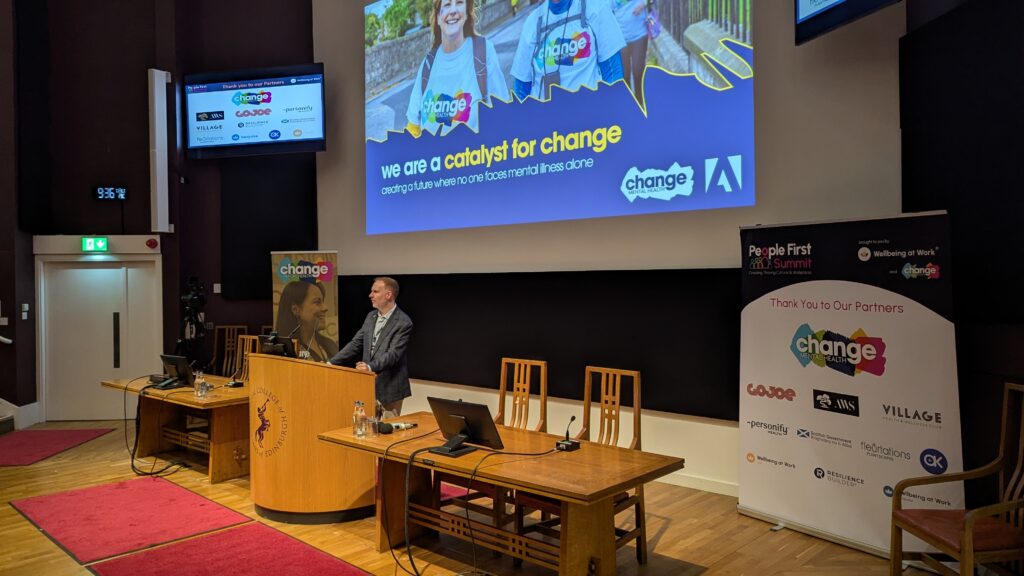
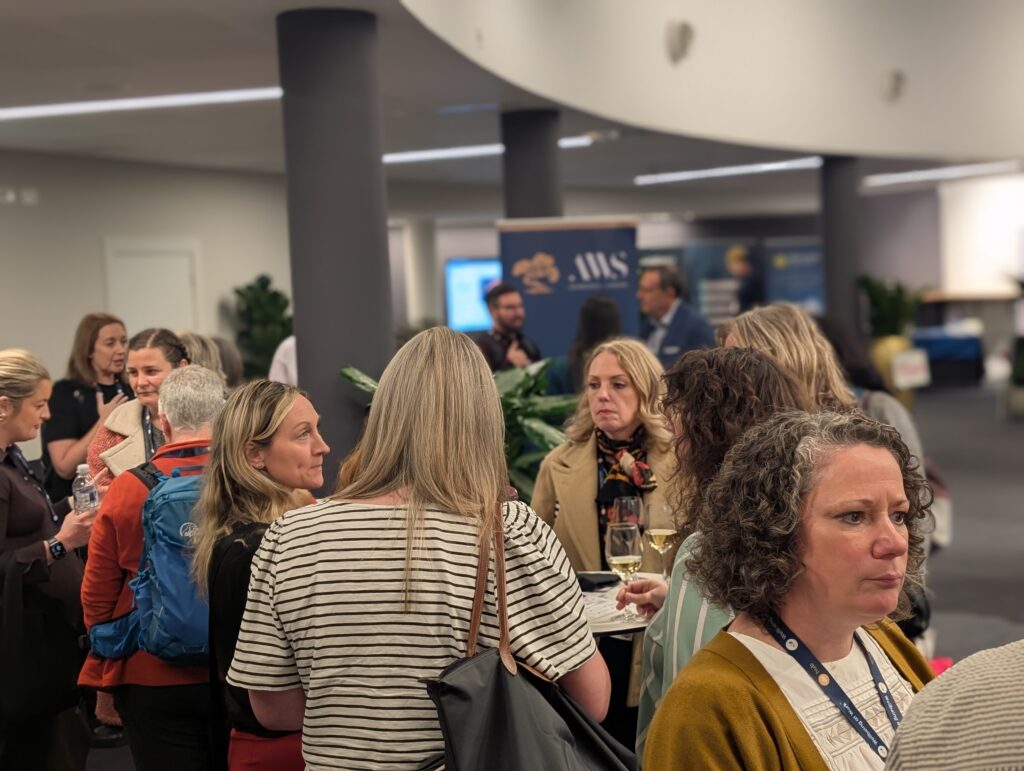
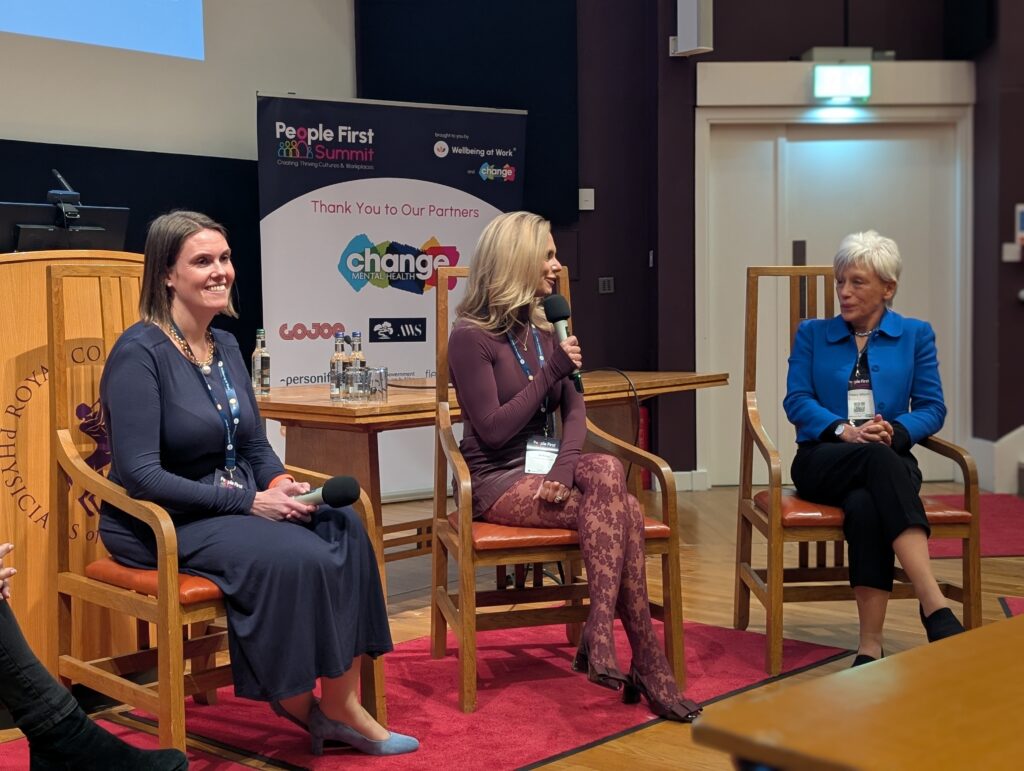
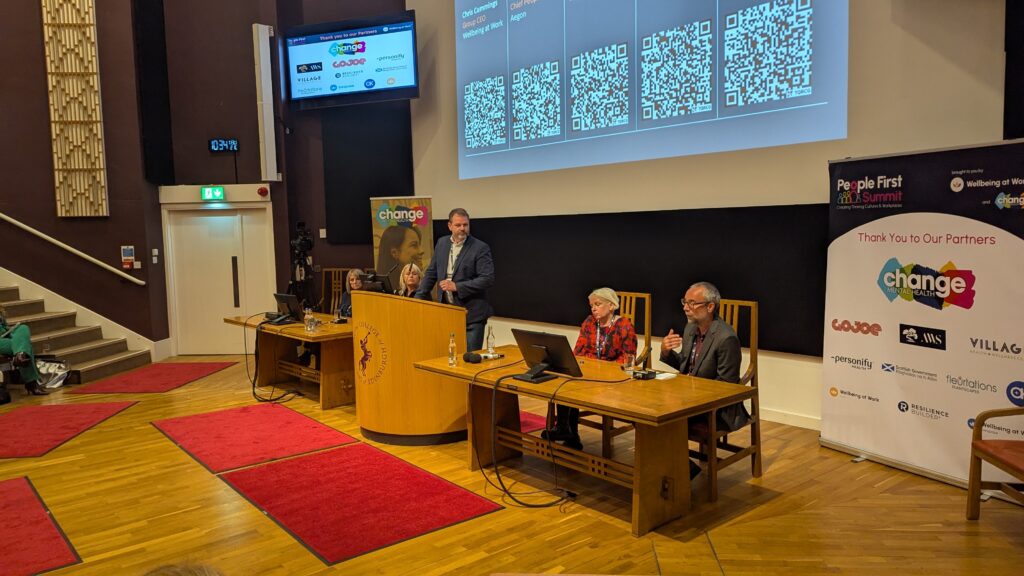
people first summit 2026: what to expect
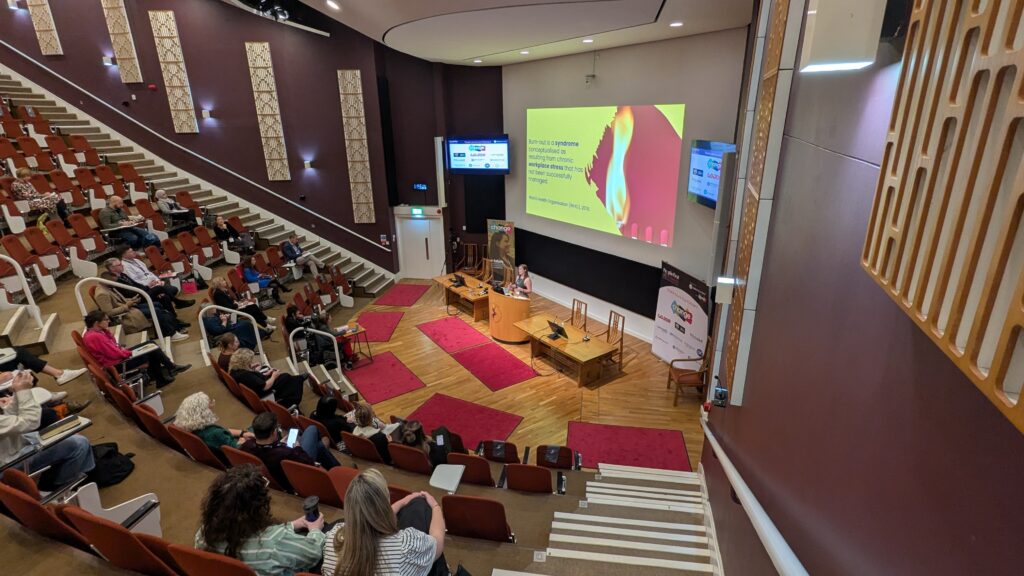
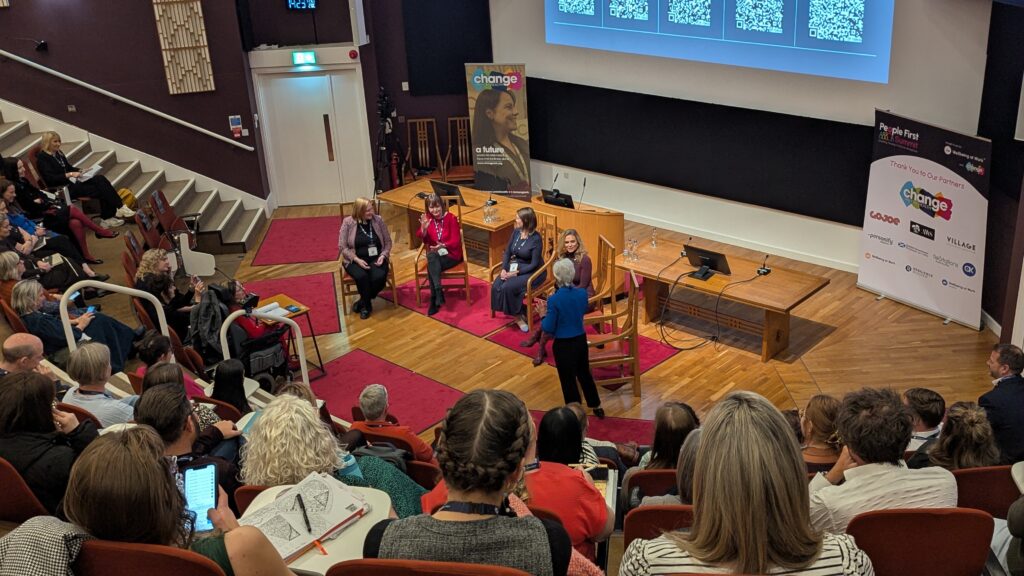
After a hugely successful first year in 2025, we wanted to go bigger and better. With the help of Wellbeing at Work, NatWest and a series of sponsors (that we’ll be announcing shortly), that is happening.
The 2026’s People First Summit takes place on 23rd November 2026, hosted by NatWest Group at their impressive Gogarburn campus in Edinburgh.
Chris is feeling it too:
“From partnering with NatWest through to our first headline sponsorship and a fantastic selection of speakers, the event and the community are growing, highly engaged and motivated to make change happen. I’m really excited about the 2026 Summit.”
The Summit’s community is made up of people and leaders from different local, national and global businesses and organisations. It’s growing fast. Expect leadership panels, keynotes and workshop discussions, exploring how to foster a healthy and productive workforce, what AI in the workplace mean for wellbeing, and how to protect work-life balance. This is all built around the same message: look after your people and your organisations too.
Join us at the People First Summit 2026, Monday 23rd November, NatWest Gogarburn, Edinburgh.
Find out more and book your place: People First Summit from Change Mental Health