Policy in action: Influencing mental health policy in Scotland
Jamie Grant, Policy and Public Affairs Manager at Change Mental Health, explores how mental health awareness and insight drive policy action in Scotland.
Mental Health Awareness Week is a time to take stock. What progress has been made? What action is underway? And what more must be done to make mental health a priority for all? This year’s theme is action. For those working in Scottish policy and public affairs, ‘action’ sums up the past few weeks rather well. With the recent election now over, we’re excited to get stuck into Scotland’s seventh parliamentary session.
Public attitudes to mental health have shifted a lot in recent years. People are more open, more willing to talk and more likely to recognise when something is not right. That awareness needs to be followed by action on such things as waiting times, staff shortages and the gaps between services. Action, more often than not, is shaped through policy.
The role of policy and public affairs in mental health reform
The policy and public affairs team sits in a slightly unusual space. It is part translation service, part campaign team and part professional nudge to people in power. Our job is to take what people are experiencing on the ground and ensure it is understood and acted on at a national level. Sometimes that means formal engagement with government. Sometimes it means conversations and relationships that build over time. Either way, the goal is the same: to turn insight into action.
One of the clearest examples of this is the National Rural and Islands Mental Health Forum. Rural and island communities do not always get the same attention as urban centres, despite facing specific challenges. Distance, access to services, workforce pressures and a strong sense of privacy can all shape how people experience mental health support.
The Forum creates a space where those realities can be heard directly. It brings together people with lived experience, practitioners, researchers and policymakers for regular discussions that are open, honest and occasionally challenging. Crucially, it does not stop at discussion. The insight gathered feeds into Scottish Government thinking and helps shape policy decisions. It is awareness turning into action in real time.
Securing mental health commitments in Scottish politics
Alongside this, there is the less visible but equally important work of engaging with political parties. Elections tend to sharpen minds and manifesto processes are one of the best opportunities to influence what comes next. This is where action starts to take a more concrete form. By working with parties as they develop their election priorities and plans for the next Parliament, Change Mental Health can help ensure commitments on mental health are meaningful, deliverable and taken seriously.
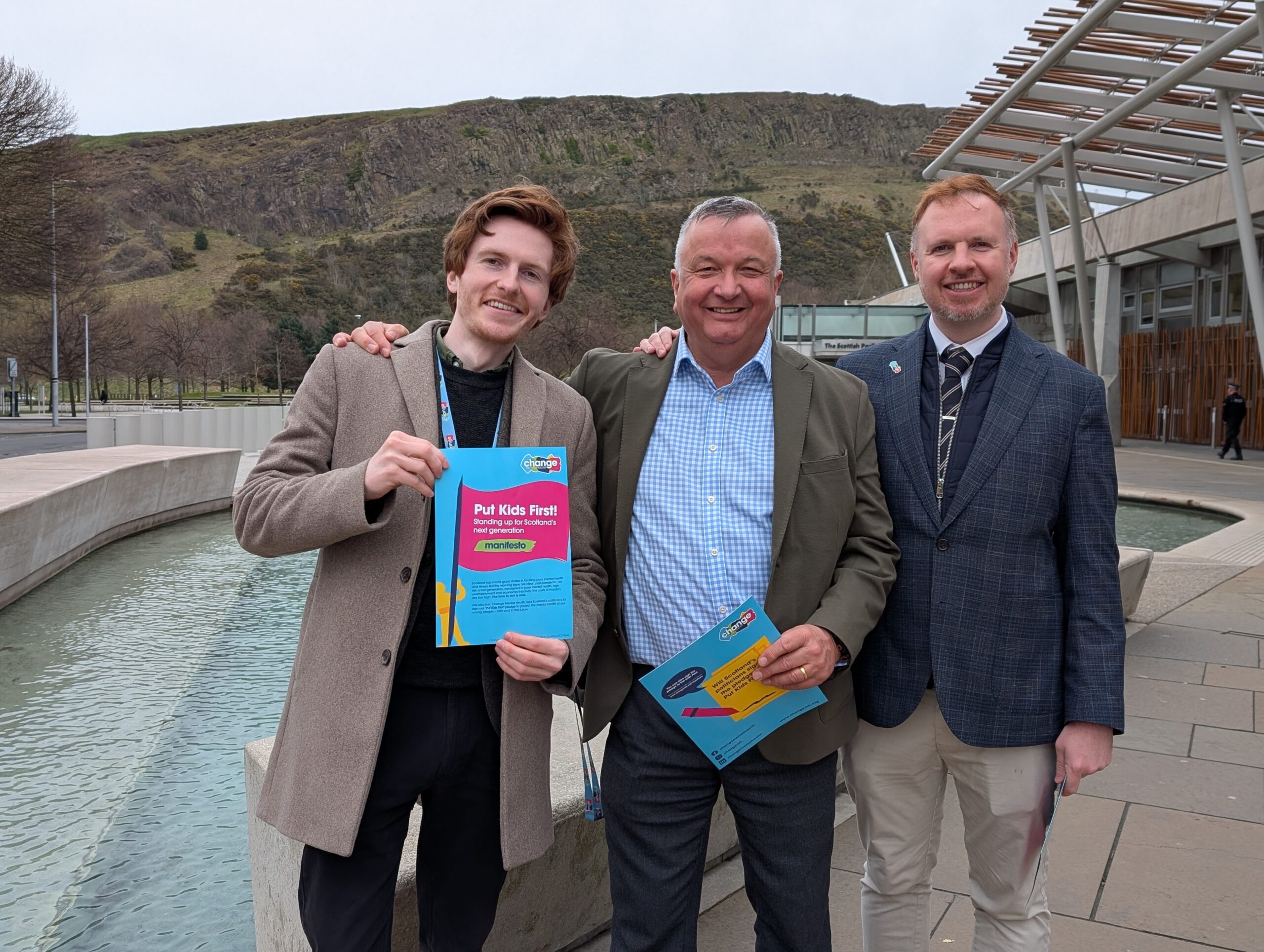
Party conferences are another part of the picture. They combine serious discussion, networking, and conversations with people from all different backgrounds and perspectives. They are also one of the few places where you can speak to a wide range of decision-makers in a short space of time. Done well, they help turn general support for mental health into specific ideas and commitments.
Sustaining action in Scottish mental health policy
None of this work delivers instant results. Policy change is slow, sometimes frustratingly so. It relies on persistence, good evidence and a willingness to keep making the same point in slightly different ways until it sticks. Action like this can be difficult to capture in a social media clip, but it is steady, consistent and built over time.
Mental Health Awareness Week is a useful reminder of why all of this matters. It highlights the scale of the challenge, but also the need to move beyond awareness alone. If awareness is the spark, then action is what will drive real change.
Looking ahead, there is a new Parliament, a new Government, and a new group of MSPs arriving with fresh priorities and, in some cases, a lot to learn very quickly. That presents a real opportunity to take action early. Building relationships from the outset, setting expectations and making the case for mental health as a core priority can shape decisions for years to come.
The aim is straightforward, even if the work behind it is not. Keep mental health on the agenda, make sure policy reflects real experiences and keep pushing for action that improves people’s lives and increases access to mental health support.
If that happens, then this week is doing exactly what it should do: not just raising awareness but helping to build a future where no one faces mental illness alone.
info
All our work is based on excellent working relationships with parties across the Chamber and across Scotland. Elected members can drop Jamie Grant or Jim Hume a line if interested in local statistics, information on mental health policy, or to visit local services in their local area.