Becoming an Amma: motherhood, postnatal depression and family
Emma shares her experience of postnatal depression, reflecting on motherhood, recovery and becoming a grandmother.
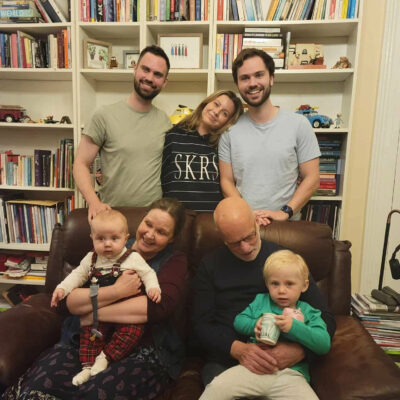
‘Amma’ is the Icelandic term for grandmother and as my first grandchild, Angus Eyberg Zacharyson, was born in Iceland to my son Zac and his Icelandic wife, Gudrun, in June 2023 I became Amma Emma.
Becoming a grandparent for me was an amazing mix of wonder at welcoming a new baby into our family and the changes that came with it, as our family expanded to include new grandparents and cultures. Angus strengthened that connection, first celebrated when Zac and Gudrun married in Glasgow before settling in Iceland.
The distance between us was bridged through phone and FaceTime calls – something very different from when my brother was born in Zambia in 1972, when news travelled by letter and telegram. While it is not the same as being physically present, I do value the ability to stay close through technology.
Postnatal depression: a different experience of motherhood
That closeness, even at a distance, made me reflect on my own experience of becoming a mother. I recalled the time I first became a mother to Zac in 1993 and the feeling of pride in seeing him become a father and realising the depth of change that he faced in his relationships and responsibilities. I also remembered the more difficult experience that came with the birth of my second son, Theo, and the mental health issues that challenged my relationship with him and myself. There was a sense of loss of myself and fear about my ability to cope as a mother, as the feelings of self-doubt and overwhelming thoughts of ways to escape them verged on harming myself and my new baby.
I recall from these times that, at first, it was easy to hide. Then the dark shadows expanded and the angry mutters grew louder and began to echo in my head. The struggle for sanity became a battle.
I kept my thoughts and worries in and was scared to say anything, even when I was asked. Simple activities, such as reading Zac picture-book stories, became puzzling and almost impossible. At the same time, my fascination with death and dying had developed into an obsession.
Over time, I realised I had to ask for help. I saw a different doctor, who was startled when I spoke openly and signed me off work with postnatal depression. The sick note offered permission to be ill, permission to ask for help, even though I was still unsure how it would be seen by others. The health visitor came regularly. She listened, reassured me and did not judge. Slowly, I began to understand that I was ill and that I could recover. Hearing from other women who had experienced similar struggles helped me feel less alone, and, over time, the intensity of those thoughts began to fade.
As new parents trying to discover new roles and relationships, and trying to cope with the demands of work, study and juggling childcare, we had little time for being just me or just me and my husband, John. When I was off work getting treatment for postnatal depression, there was no support made available for John. I think that he was juggling just as much, if not more, as he was also caring for me in my fog of confusion and mental pain.
Support and involvement in parenthood
Looking back, our experience 30 years ago made me understand the importance of support for new parents and a family as a whole.
Before, during and after my grandson’s birth, my impression was that Zac was more included and involved, as far as possible, in the transition to parenthood. I remember when I was a student nurse in maternity, new fathers paced outside and waited for the birth and were not actively encouraged to be part of the event. John was there for all three of our children being born, with Eva arriving in 2003, though there was little encouragement, that I recall, for him to be involved afterwards.
I advised Zac and Gudrun often during their journey to parenthood to keep talking with each other and with their maternity service supports, to keep sharing their feelings and concerns.
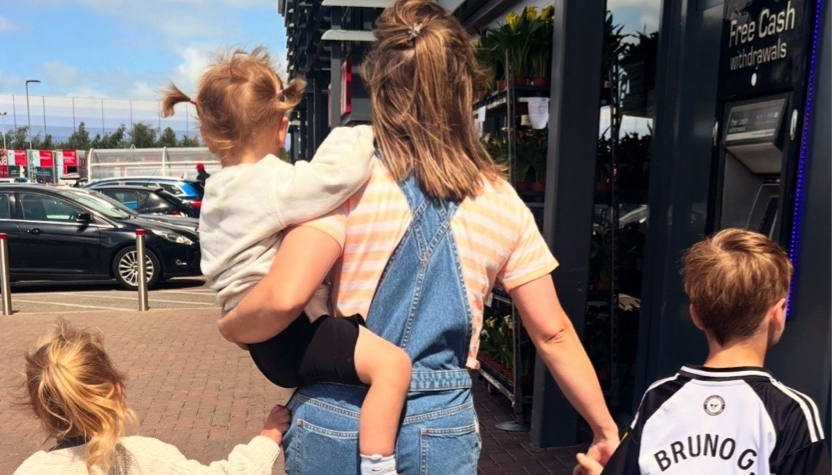
At a recent family holiday, when we were altogether, I was reminded of the 24/7 impact young children have on parents and how intense periods of time can feel when young children are going through growth spurts.
Zac has been fortunate to have the family benefits of the Icelandic system, where the father gets extended parental leave and time to be with his family. This has enhanced his abilities, skills and confidence as a father and helped his relationship with Gudrun, as well as with Angus and Eidur, so the family grows together.
Reflection on motherhood and family life
Looking back on both my own experience and now watching my children become parents, I see things differently.
My experience of maternal depression has deepened my understanding and empathy for mothers who experience it and how important a full support system for the whole family is, strengthening all the relationships involved as they evolve and grow through their family journey.
Being Amma Emma is a whole new level of experience of love and involvement with my children’s children and, so far, it has been ‘heart-burstingly’ brilliant.