Photovoice: What a photo says that a survey can’t
Photovoice lets people tell their own stories through photos and captions. Hannah Dibnah explains why it is becoming part of our Young People‘s Programmes.
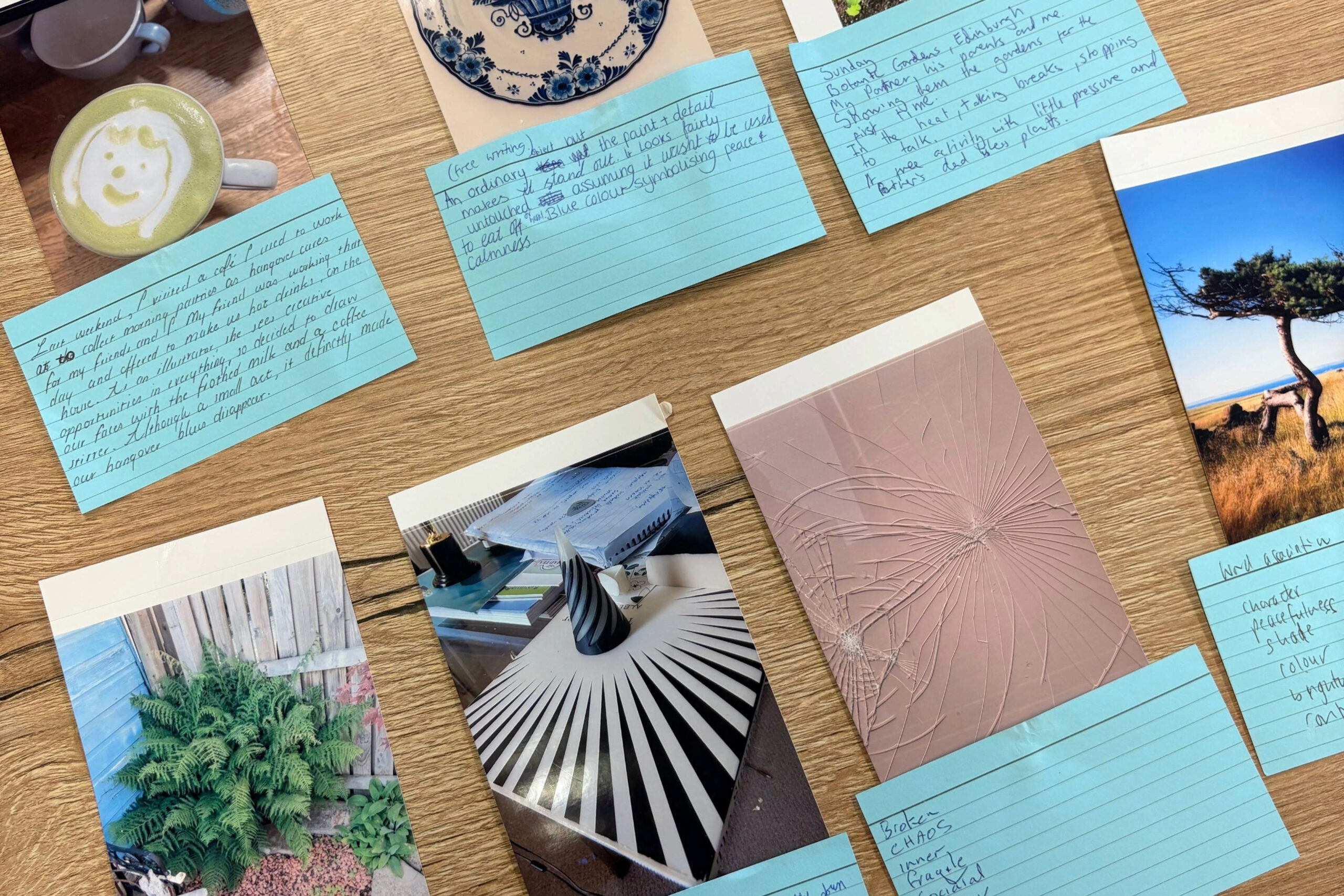
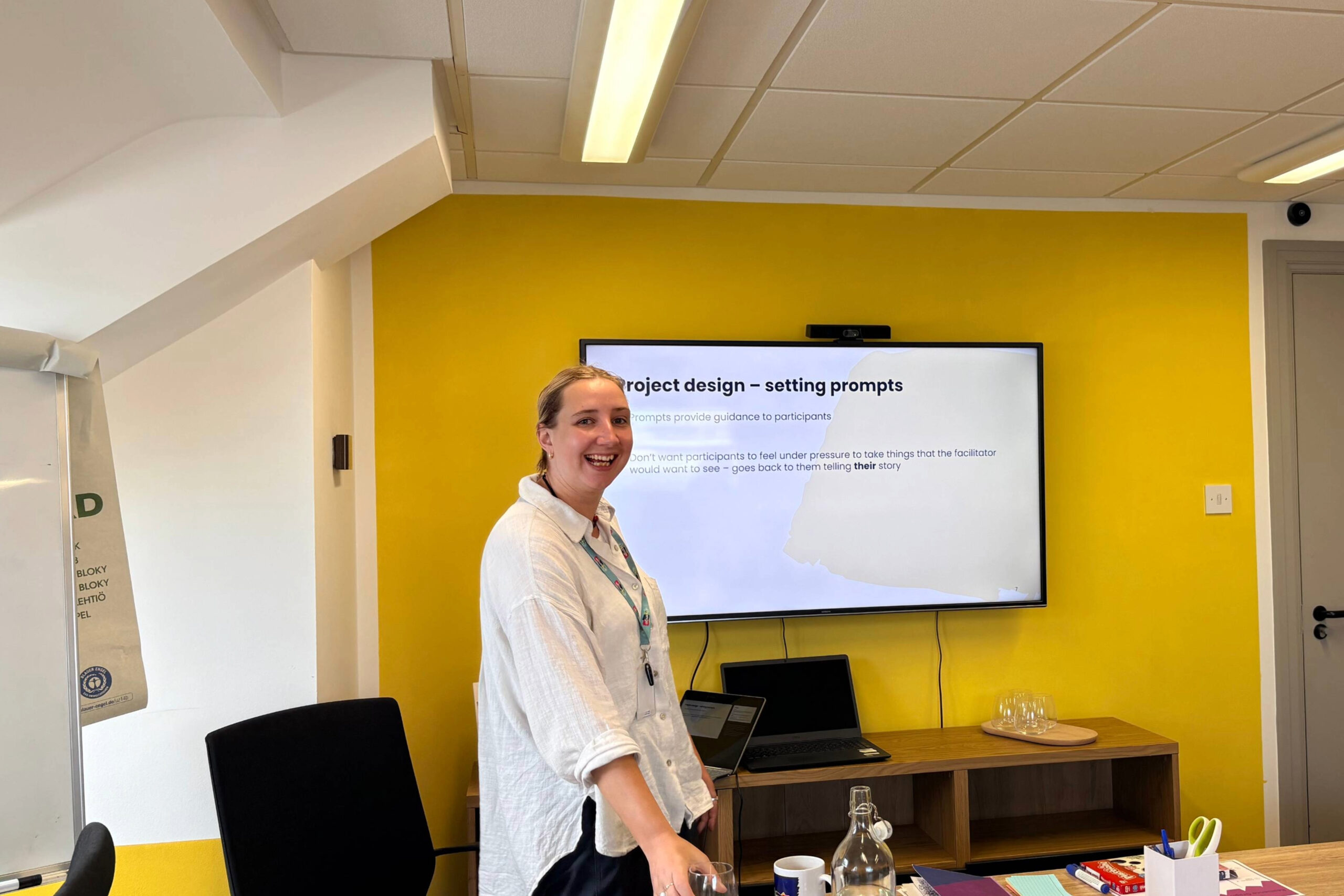
Photovoice is a participatory photography method in which people use photos and captions to tell their own stories. In our Young People’s Programmes, I wanted a way of gathering feedback that lets young people share their experiences on their own terms. Photovoice is now becoming part of how we listen to them. Before using it with young people, I wanted to try it out with colleagues.
I had completed my Photovoice training online and a pilot let me share what I had learned when running a project, including the logistics of printing photos from participants each week. Colleagues joined from five teams across the charity. Over four sessions, the group explored experiences and understandings of mental health and resilience among people working in the third sector.
Why we need a different kind of feedback
There is an idiom that a photo says a thousand words. People can express themselves through photography when they struggle to find the words and it is incredibly visual and accessible.
Most feedback tools ask people to answer questions someone else has set. With Photovoice, participants decide what to show and how to frame it to define their own story. Almost everyone already uses a smartphone camera, meaning no specialist skills are needed. Nathan, Engagement Officer for Young People’s Programmes, had little confidence in his photography at the start, but by the end he told me: “I’m not as bad a photographer as I thought I was!”
The process also gives something back to the people taking part. Working in a group builds listening, confidence and shared understanding. Sydney, a Fundraiser, found sharing photos in person more intimate than social media and enjoyed the glimpse it gave her into other people’s lives: “It can really tell you a lot about a person and what they value most in life.”
Photos can also travel further through exhibitions, publications and campaigns, reaching decision-makers and the public while challenging stereotypes. A photo can shift attitudes in ways a report sometimes can’t.
What came up that a form would have missed
It was important to me not to have expectations about what people would photograph, as this is one of the key principles of participatory photography. What struck me was how different everyone’s photos were. Some shared threads emerged, such as the support systems people rely on, the places where they feel at home and the everyday pressures of working life, but everyone interpreted resilience differently. I thought this was fantastic and I don’t believe a standard survey would have captured that range.
Much of the insight came from talking about the photos. Explaining what they chose to capture brings out depth and nuance. Several colleagues learned things about themselves they hadn’t known before.
Nathan photographed his desk at home and the fidget toy he uses while working. He told me the photo made him more aware of the impact his workspace has on my wellbeing, both positive and negative.
Another participant’s photos were all taken around where she lives, which showed her that home is where she feels the strongest sense of safety and identity. As she put it: “I wouldn’t have said I was consciously aware of that before the task!”
Even making time for the homework mattered. Klaudia, Communications Officer, found it hard to catch a moment to reflect during a working week. She told me that once she did, “it was relaxing and almost like a self-care moment.”
Why captioning matters
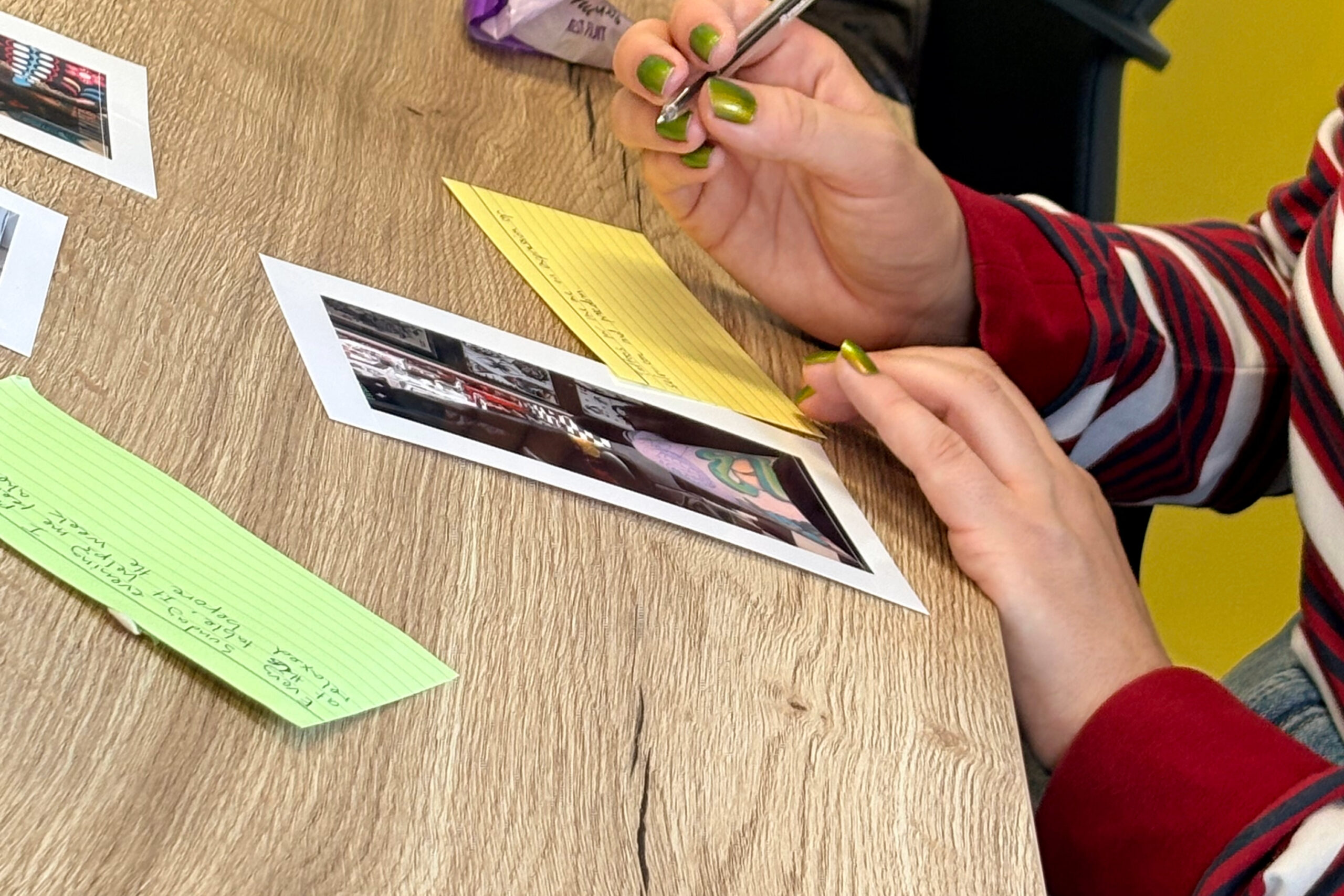
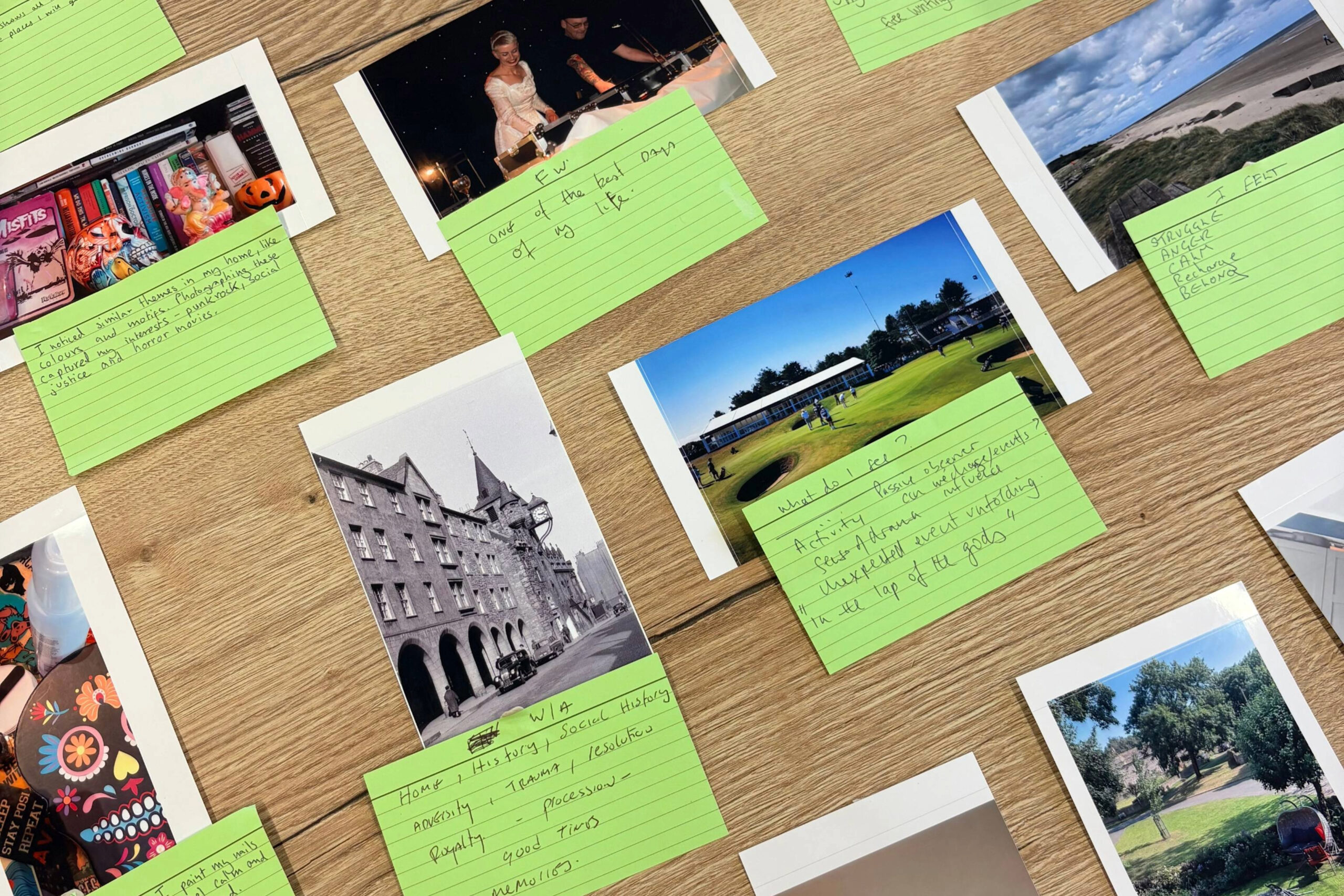
Captioning is what turns a photography project into participatory photography. It gives the photos context, so the viewer understands why the participant took them and what they wanted to say instead of guessing. That is why I spent a lot of time on captioning methods, from sense poems and word association to free writing and scribing, for people to have the tools to tell the story they want to tell.
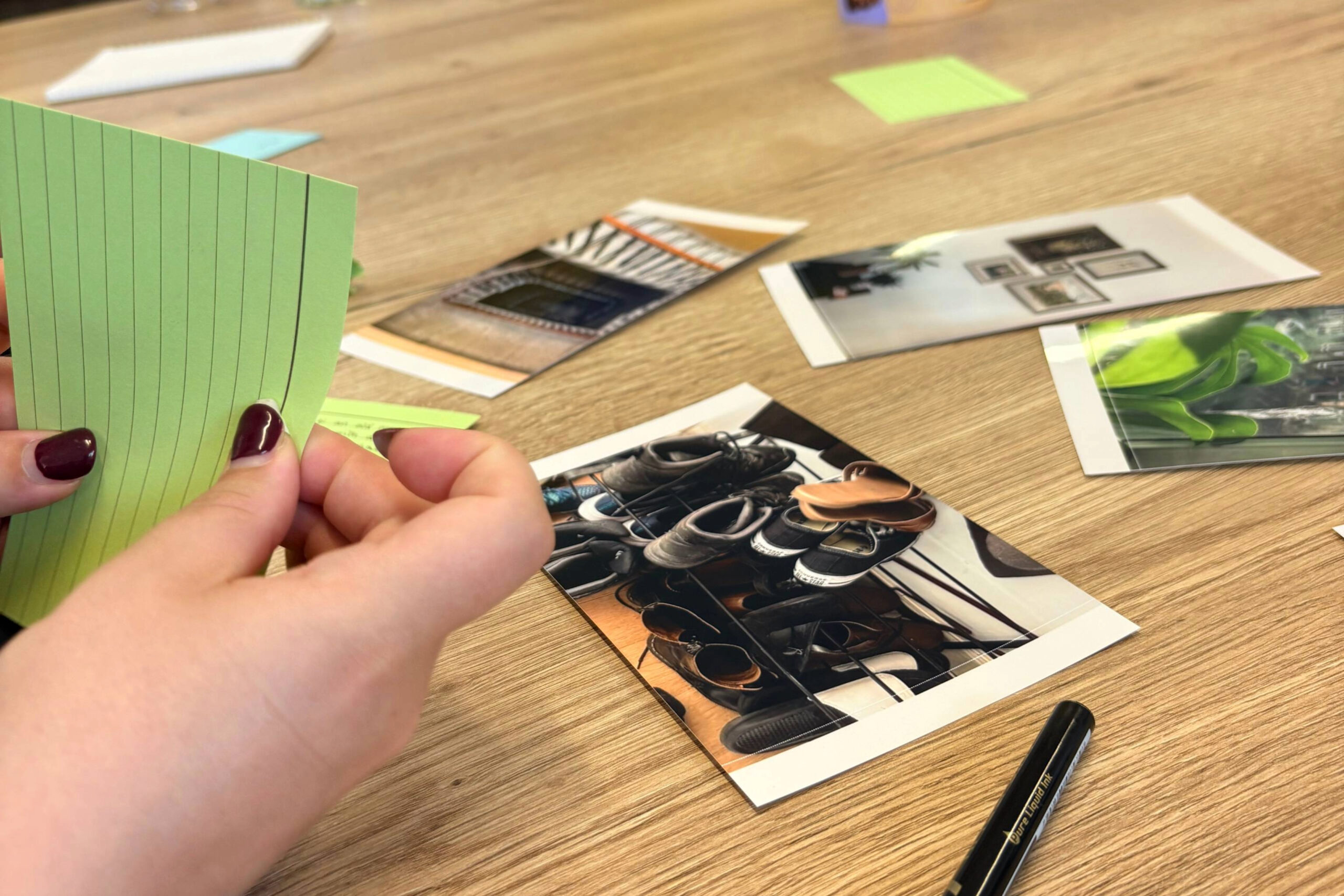
Klaudia described a colleague’s photo of a full shoe rack. She waited for the explanation and it turned out the pairs stood for all the places they had been and the places they still had left to explore. She said: “Only based on captions, I could get a sense that they were talking about me!”
Keeping participants in control
Participants created the work and are telling their own stories through it – they should have full control over how it is used. Consent is an ongoing conversation, not a one-off signature. Participants choose what is shared, how it is captioned and credited, and whether they stay anonymous. They can also withdraw permission at any time. Nobody is pressured to share personal material and saying ‘no’ never costs them anything. People pictured in photos must also consent and vulnerable participants get extra safeguarding and support.
Klaudia explained why this matters:
“We only express in the photos and captions what we want. It gives you control over your privacy, especially when participating in a project with your work colleagues or strangers.”
That control works both ways. At first, Sydney chose photos she thought looked good, which made truthful captions harder, but over the weeks she pushed herself to share photos that felt more like her.
What I’d change and what comes next
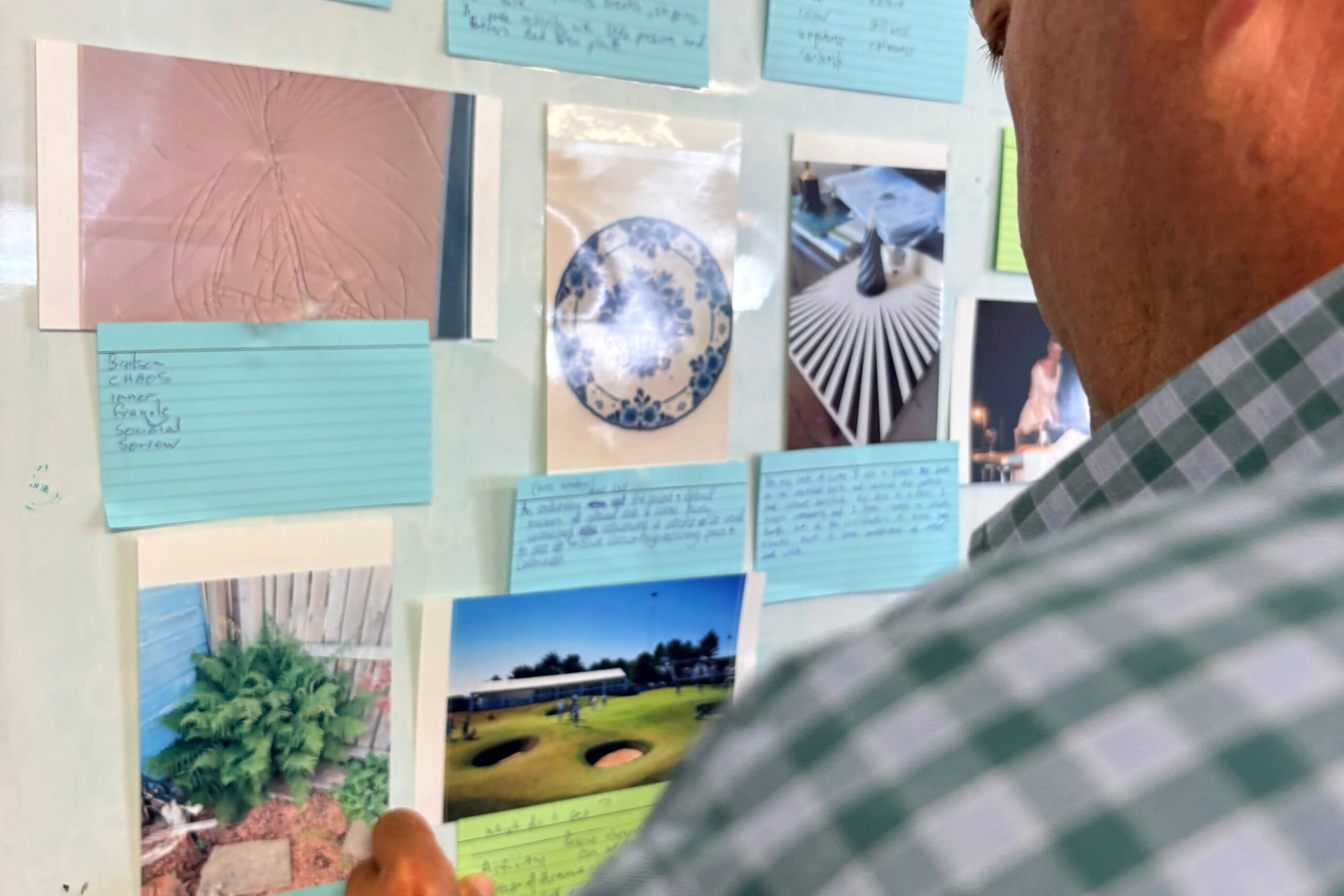
The exhibition was great to see. Next time I would give participants their own cameras, ideally with funding for a set, as a camera would make the project feel more special. I would also print the photos bigger for the exhibition.
I have since run my first project with young people on Isle of Harris. It was simpler than the pilot, because I didn’t need to cover the background to the method and the final prompts were simpler.
Colleagues are planning their own projects too. Klaudia, who is a carer herself, sees potential in using it with carers. For her it is a way of “not looking at them as carers, but as people with unique experiences and lives.” She sees it as a less intrusive, carer-led way of gathering information.
For me, that is what Photovoice offers that other feedback tools can’t: the people taking part decide what is seen and they say what it means.
support
Island Minds Matter is our programme for young people’s mental health in Scottish island communities, funded through the Scottish Government’s National Islands Plan. It brings Bloom mental health education into secondary schools and trains young people, educators, youth workers and community leaders as Mental Health Champions. Through the Young Islanders Network, young islanders help shape the programme’s activities and workshops.
Find out more about our Young People’s Programmes.
The National Advice and Support Service can provide information on carers’ rights, benefits and signposting to support across Scotland.
The service is open Monday to Friday, 10am to 4pm (closed for lunch between 12.30pm to 1.30pm). Contact 0808 8010 515, email advice@changemh.orgor fill in the form on the service webpage.