
Thomas’s story: Long-term caring and access to local, community support
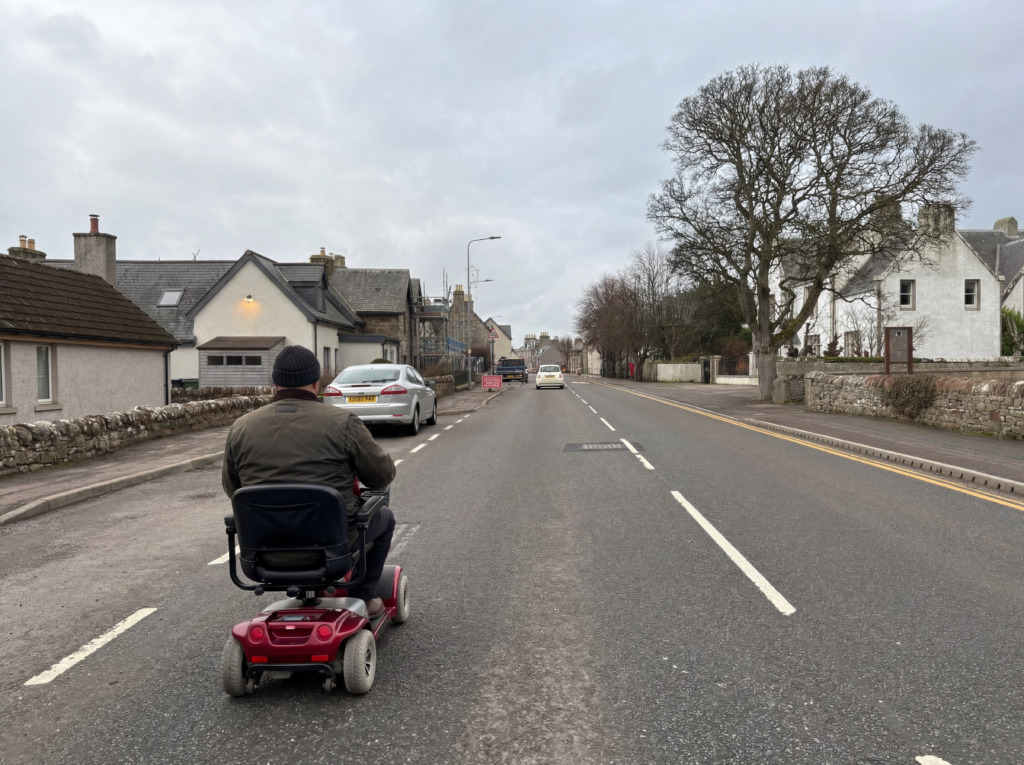
Thomas has spent most of his adult life caring for his parents, beginning his caring role at the age of 18. As the years went on, he became their sole unpaid carer. Now, his mother lives with dementia and his father also requires daily support.
Caring has been a constant responsibility for over four decades. Thomas’s own health and wellbeing needs added further pressure to an already demanding situation. Living in a small rural community meant support was not always easy to access, with much of the responsibility resting with him alone which has increased his isolation.
Experiences like Thomas’s are shared by many unpaid carers across Scotland. Around 627,700 people provide care to a family member, friend or neighbour – nearly one in nine adults – with nearly half cutting back on essentials such as food and heating (State of Caring, 2025).
Community Link Worker support through primary care
Thomas was referred to a Community Link Worker (CLW) in Highlands through his GP practice – not because of a specific medical issue, but due to concerns about the social pressures affecting his health and wellbeing. At that point, there was a lot on his mind. Alongside caring responsibilities, he was dealing with ongoing health concerns, including mobility problems and anxiety about medical tests.
The initial conversations focused on getting to know Thomas and understanding what mattered to him. Rather than being directed towards set activities, discussions explored what he might like to get involved in and, just as importantly, what would not suit him.
He was very clear that large social groups and informal coffee mornings did not feel right for him. He expressed that practical support and familiar spaces were important.
Living in a small village has been crucial for finding the most suitable solutions. Transport in rural areas can be difficult, particularly for someone with mobility issues. Some negative experiences earlier in life were still very vivid for Thomas and the possibility of running into familiar faces made him cautious about engaging locally.
At that stage, the focus was on what was happening for Thomas at that moment, rather than pushing him towards future plans. Given the length and intensity of his caring role, and its significant and ongoing impact, he was referred to Change Mental Health’s Carer Support service. The handful of sessions with his CLW were helpful, but Thomas needed more focused support around his caring role and the emotional pressures that came with it.
Carer Support in practice: emotional and practical support
When Thomas first engaged with Carer Support, he was at a very low point. He spoke openly about feeling overwhelmed, anxious and emotionally exhausted. A key part of the support was creating a safe space where he felt listened to and taken seriously.
Reflecting on those early conversations, Thomas said:
“I felt very anxious when we spoke for the first time. Shelley made me laugh, which broke the ice and I felt more at ease and knew that I was listened to.”
Support focused on both emotional and practical needs. Emotionally, Thomas was supported to talk openly about the pressures he had been carrying for years, including feelings of guilt and low self-esteem. He had spent so long focusing on others that believing he also mattered took time.
“One of Tom’s biggest challenges was learning to believe in himself and accept that he, too, deserved care and kindness. He was not only physically exhausted but emotionally burdened by guilt and a lack of self-compassion.”
Shelley, Carer Support Worker for Change Mental Health
Practical tools were introduced to help him manage anxiety and emotional overwhelm. Thomas and his support worker worked together to introduce mindfulness techniques and Decider Skills. The latter are practical tools, rooted in Cognitive Behaviour Therapy (CBT), that help people recognise unhelpful thought patterns and create space to respond differently when things feel overwhelming. Used across a range of Change Mental Health services, these simple and accessible strategies fitted neatly into his daily life.
Alongside this, practical support made a tangible difference. Arthritis and mobility problems had made it increasingly difficult for Thomas to get out and about, affecting his ability to shop, attend appointments and stay connected to his community. Funding was secured to purchase a mobility scooter, which significantly improved his independence. Being able to leave the house more confidently reduced anxiety.
ongoing needs and flexible support for carers
Gradually, changes became noticeable.
“I now accept further support for my parents without guilt and I speak openly to health professionals,” said Thomas. “I put myself first and I can now take two steps back when I become overwhelmed. I enjoy making other people laugh – it’s so important to laugh.”
As well as health appointments, Thomas has begun setting aside time to go for a coffee on his own – something he now schedules deliberately as time for himself.
He also began to reconnect socially in ways that felt safe for him. Meeting other carers and sharing experiences helped him realise he was not alone.
Thomas’s situation remains complex. While Thomas does not require ongoing one-to-one support from Carer Support at present, he continues to attend peer support groups at the resource centre in Invergordon and takes part in carers’ events. Health concerns are still very much on his mind and at times they take priority over everything else.
What has mattered is having support that can adapt as circumstances change. Thomas has accessed different services at different times, depending on what felt most pressing. There is no fixed endpoint. Instead, support remains responsive – recognising that being a carer and mental health and wellbeing are not static. It’s always important to remember that carers’ needs change over time.
contact
If you are a parent caring for an adult child with mental health challenges, support is available.
Our Carer Support services can offer emotional support, practical advice, advocacy and help with navigating health and social care systems.
The National Advice and Support Service can provide information on carers’ rights, benefits and signposting to support across Scotland. The service is open Monday to Friday, 10am to 4pm (closed for lunch between 12.30pm to 1.30pm). Contact 0808 8010 515, email advice@changemh.org or fill in the form on the service webpage.
At Change Mental Health, we know that unpaid carers play a crucial role in supporting people with mental illness in Scotland, often at significant personal cost. While there is data on carers overall, we currently have no clear data on the number of parents who are lifelong carers to their adult children – leaving an important group largely invisible.
This lack of visibility matters. Without it, the emotional, practical and long-term impact of lifelong caring risks being overlooked in policy, services and support planning.
If you are a lifelong parent carer, your story matters. By sharing your experiences, the impact of your caring role and what you need to be supported, you can help shape understanding, influence change and ensure lifelong carers are no longer invisible.
