Marissa’s story: Why stable housing matters for mental health
From rural peace to housing crisis, Marissa explains why stable housing is the foundation for trauma recovery and wellbeing.
I was born and raised in England. My life there was seriously challenging and difficult. There was a lot of trauma that was never properly recognised or treated. I was labelled based on my behaviours, but no one really dug into where they had come from. Stability was never something I trusted to last, so I was often in survival mode.
When I was younger, I was diagnosed with Emotionally Unstable Personality Disorder (EUPD). At the time, people weren’t really talking about trauma the way they are now. Today, I might have got a different diagnosis and support. Later, at 36, I was diagnosed with autism. In hindsight, it had been obvious for a long time. Living with autism affects how I ask for my needs to be met and how safe I feel in my environment. If I don’t feel safe, I can’t function properly.
Housing crisis and mental health
I came to Scotland seeking peace. For a while, I found it. I lived in a rural steading, walked in all weathers, had a garden and decorated my home in a way that reflected me. I felt safe there. That safety improved my confidence and helped me look after myself.
Four years after finding that home, I was told to leave within a month. Turning Point helped with housing applications and explained the homelessness process. I didn’t want to present as homeless because I would lose my cat. At the same time, there was a rural housing crisis and I took the first available place. I didn’t have an alternative.
The new property is now tiny and doesn’t feel secure. It took me weeks to clean it and make it liveable. At the beginning, rats were chewing at a door. I spent the whole night awake, terrified that they would get in. My self-care dropped and my appetite diminished.
Support during instability
Support from Change Mental Health’s Outreach service in Castle Douglas began while I was being evicted, through a referral from the primary care mental health nurse. At that point, I was losing my place and stability.
The early days with my Outreach Worker were not straightforward. I was exhausted, angry and overwhelmed. There had been a bereavement, but I didn’t have space to process it. I didn’t have anyone I could lean on and I wasn’t very accepting of support. I was difficult to be around. But she worked alongside that.
She encouraged me to write to my landlord about the issues. In the past, that had led to retaliations. With her support, I wrote. The door was replaced and pest control was arranged. I learned about tenants’ rights.
She also helped reconnect me with wider medical support: hormonal health, dentist, GP. I had lost trust in professionals and after moving to Scotland. My medical records were not transferred and all that time I was surviving without medication and proper support. It might sound like practical help, but these were huge steps. Being assertive and talking about my needs, for once, did not end in disaster.
She also suggested I use my creative skills, specifically rug knotting, to get together with a couple of other women at Change Mental Health’s resource centre in Castle Douglas. It gave me a space to talk about grief and childhood experiences that had been harmful.
Listening to other women talk about their lives helped me see my own differently. I also realised not everyone is angry with me all the time; they all have their own issues. I’ve gained insight and self-awareness. I’ve noticed I’m more resilient than I thought.
When numerous negative things happen to a person, they can go to a very dark place. I didn’t know how much it mattered just being able to speak honestly about that. I see now that I’ve kept myself alive and that’s something.
Progress is fragile
Connecting with people at the resource centre means more than people realise. Everything that happened in my life made relationships difficult. Trust is complicated for me. Unfortunately, I recently experienced an assault while using public transport. After that, I stopped using it. It wasn’t so much fear of something happening again, it was fear of how I might react if it did. Without public transport, I can’t attend groups or reach the resource centre.
But outside the resource centre, I do have one good friend. We cook together, spend time together and talk. I wish I had more people to share my creativity and joy with.
My Outreach Worker is still working with me and we meet about once a month. Even when there isn’t much practical work, she is there alongside me.
I have the ability and insight to process what has happened under the right guidance, but no one is stable without a stable home. If this private let becomes unsafe again, my mental health is at risk of deteriorating.
Why stable housing matters for recovery
I understand now that my home is paramount to my wellbeing and emotional security. If I were to start therapy, I would need somewhere secure to return to, somewhere that feels like a nest. I don’t have that. The property is small and loud. It brings back memories of England, when I had my curtains shut for years. I got a taste of real life at the steading, a life that was good for me and losing that has been hard. I want to go for walks again. I want to talk to people. People don’t understand that I do want these things, but trauma stops me. That’s not really living, is it?
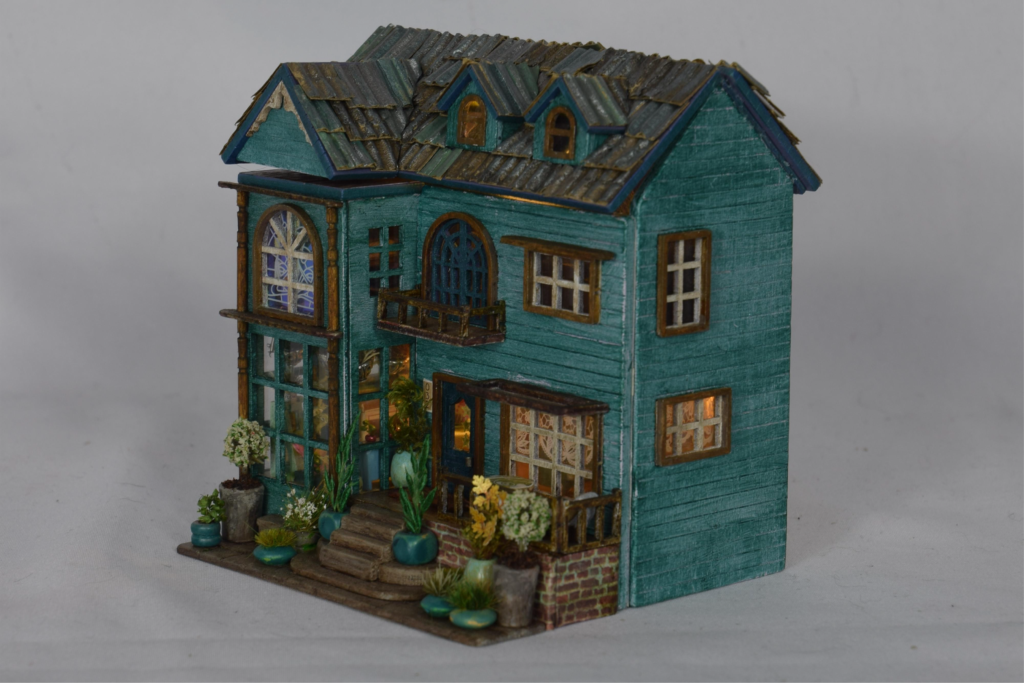
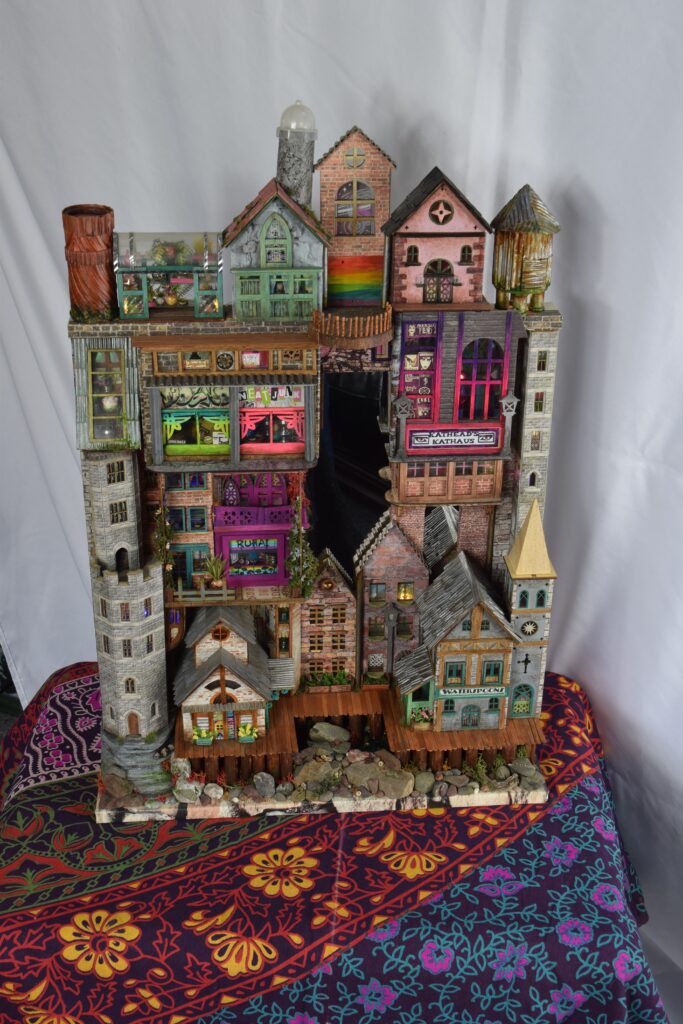
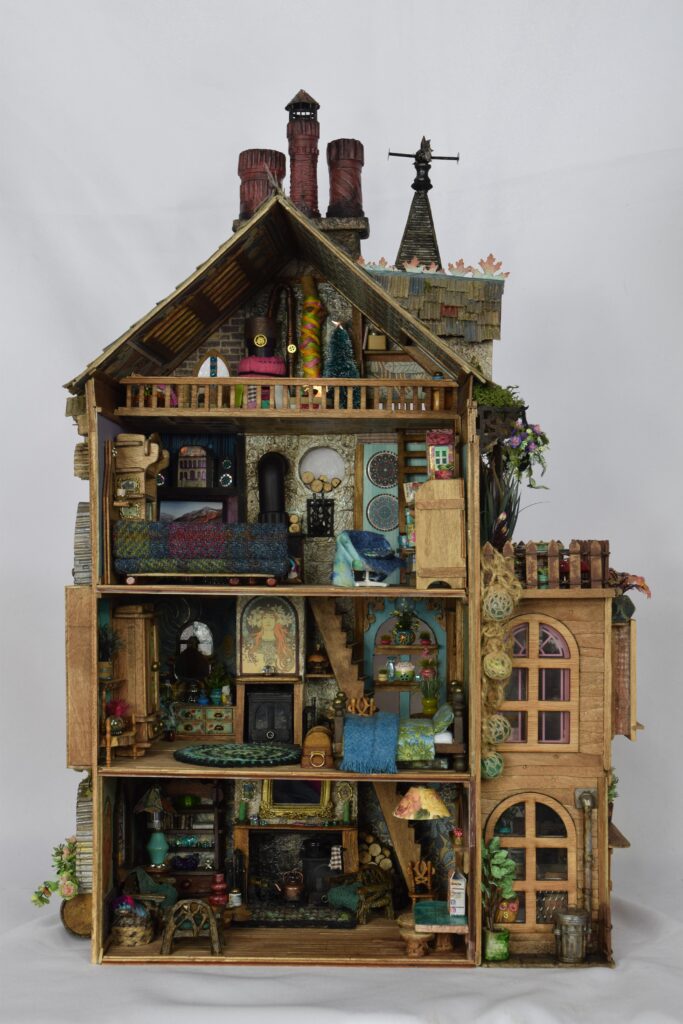
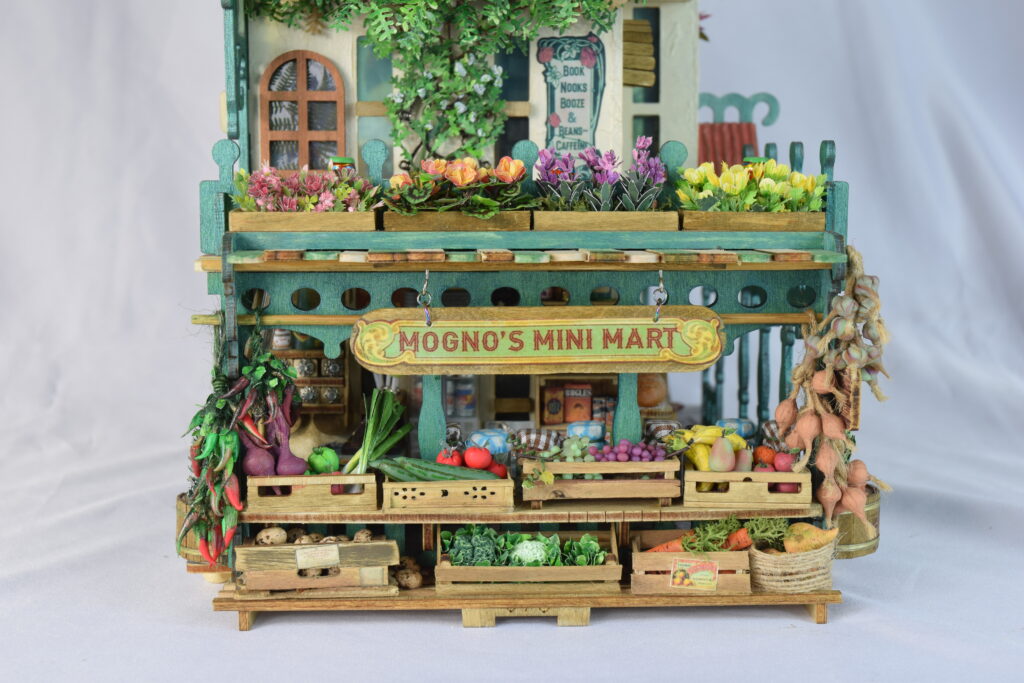
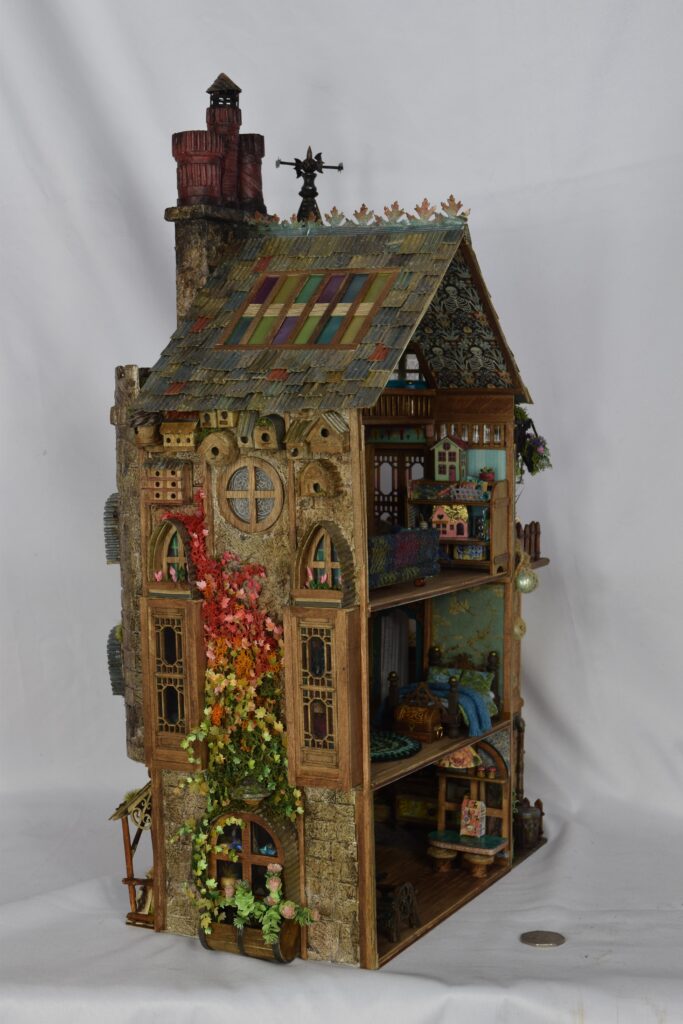
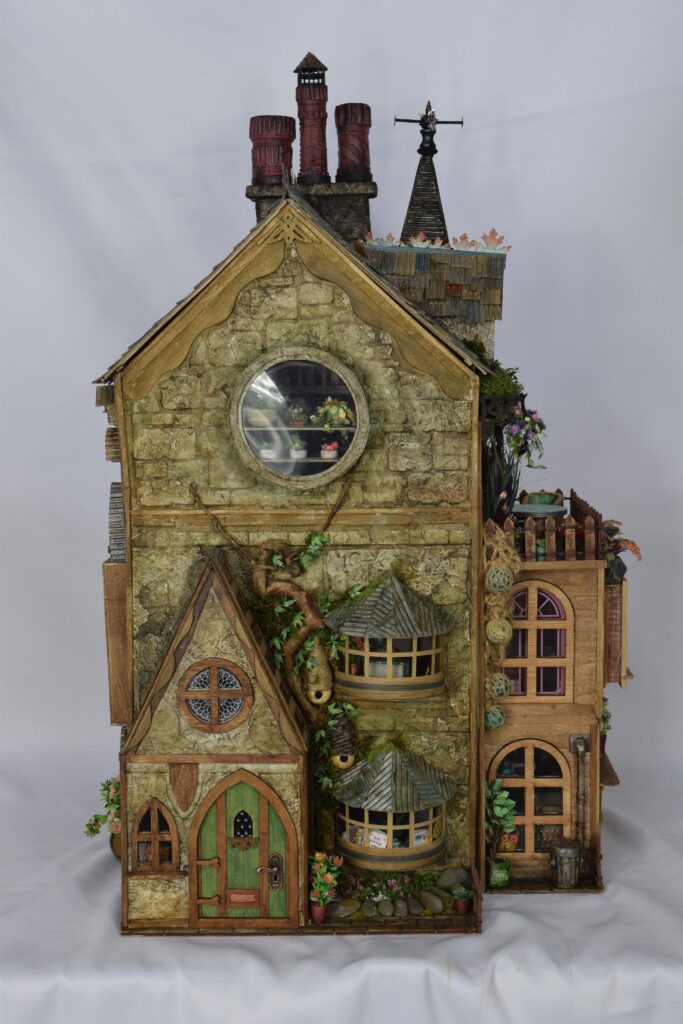
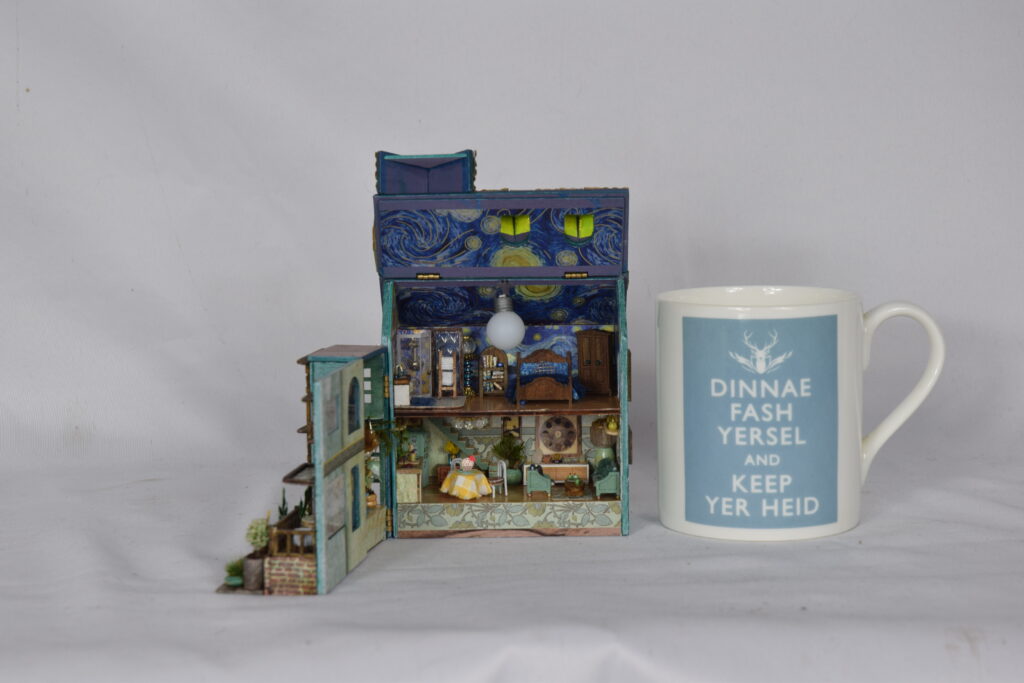
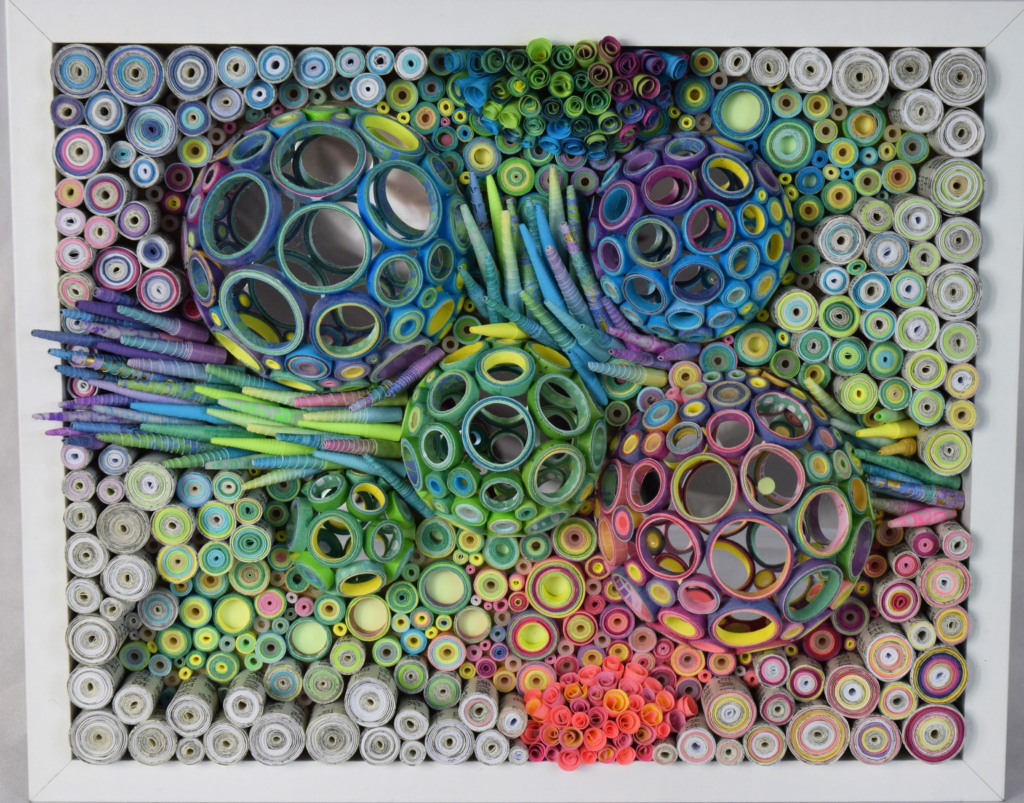
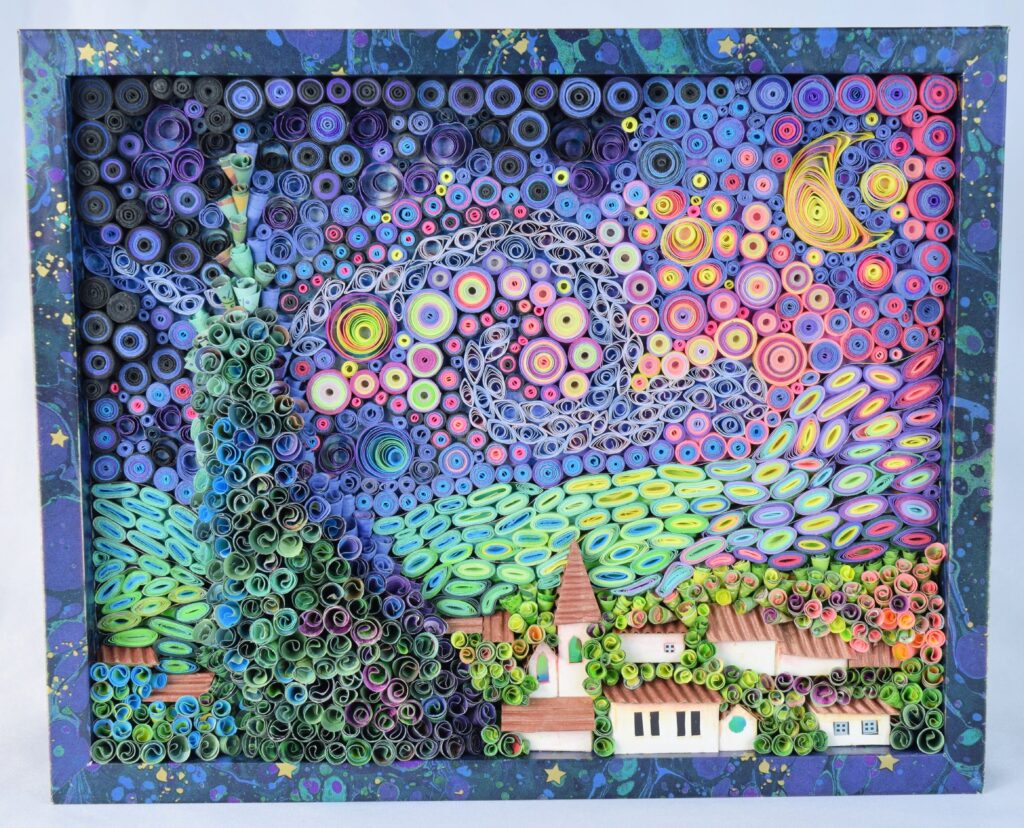
Creativity keeps me going. I focus on building miniature houses and tiny cities. They are a projection of a deep desire for a home. They are beautiful and permanent. My creations feel more solid than my housing. I’ve contained myself and kept myself alive, but my creations are me, just outside of me. When I’m building, I forget myself. That helps. I would love one day for my miniatures to be actualised and to find something close to calling “home”.
There are pieces to work on: trauma, housing, creativity and how that might reach more of the world. But it has to be done in the right order. Without safety and stability, nothing else can really begin.
support
Want to find out more about the support Change Mental Health delivers in Dumfries and Galloway?
We are active from one side of Dumfries and Galloway to the other. We work closely with communities to deliver person-centred mental health support, ensuring that no one is left behind in some of the most rural areas of the region.
We run resource centres in Dumfries, Annan, Castle Douglas, Newton Stewart and Stranraer. These provide a safe, comfortable and non-judgmental space where people can socialise and complete skills to improve their confidence and wellbeing while taking part in various activities.
Our National Advice and Support Service can help you and people you care for with mental health concerns and money worries.
We can link and signpost you to relevant local and national support, including our own Change Mental Health services, as well supporting with debt, grants and benefits.
The service is open Monday to Friday, 10am to 4pm (closed for lunch between 12.30pm to 1.30pm). Contact 0808 8010 515, email advice@changemh.org or fill in the form on the service webpage.
For full details about the service, visit the National Advice and Support Service webpage.
