
Sue’s story: “I’m learning to fly solo”
Sue was an unpaid carer in a controlling relationship. A Carer Support peer group in Dumfries and Galloway helped her find friends and confidence.
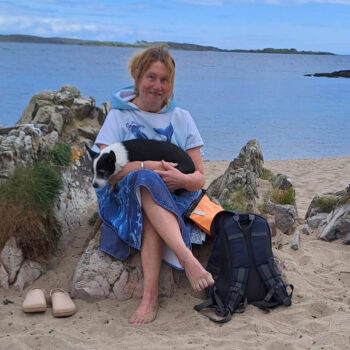
I was a carer for my husband and we were together for almost 40 years. It was a very controlling relationship. I had no autonomy or control over my own life. Now, in the summer, my friend and I take our chairs down to the beach and sit there. It’s nice to know I don’t have to get back.
Caring for him was very, very difficult and I hardly got out at all. Walking was the only time I was allowed out and my life was getting more and more contained. In the end, I reached breaking point.
“I couldn’t talk at home. Even if I went upstairs, I thought he’d be listening to everything. So I couldn’t talk freely about how I was feeling or what I needed.”
I went to my doctor in tears and she referred me to the mental health nurse. They referred me to Change Mental Health in Dumfries and Galloway. I started with Outreach support and after a while I moved to Carer Support.
At first, my Outreach Worker would come and we’d walk together. That was when I could talk. When she rang, I’d have to arrange the call for a time when I was out of the house.
When I moved to Carer Support, I started going to a peer support group, which, Gordon, Carer Support Worker for Change Mental Health’s Carer Support in Dumfries and Galloway now runs. At first, it was much better for me that we met on Zoom, because I wouldn’t have gone to a strange place to meet people I didn’t know. When we finally met for lunch with the whole group at Crichton, it didn’t feel like meeting strangers. Everybody was hugging each other. We’d already got over the barrier of meeting somebody new, because we were all friends.
Even after my husband and I split up, we were still living together and I was still his carer. Now he’s moved out and I live on my own. A few of us in the group live on our own, but on Wednesdays we meet up as friends and have a chat.
Caring roles end for many reasons and there can be a lot to deal with afterwards. For some, it’s grief. For others, it’s isolation, confidence that needs to recover or rebuild a sense of who they are. In a Carers UK survey of former carers, 35% said their mental health had gotten worse since their caring ended and 47% said support with loneliness and reconnecting with people would have helped.
No one should have to rebuild their lives alone. If you are, or have been, an unpaid carer, our Carer Support team is here for you.
Tracing family history with a peer support group
Everyone in the group knows family history is my thing. I grew up with my family all around me, and at Christmas we all used to get together, so I always knew who everyone was.
I once sat down with my dad’s mum and dad and asked them to tell me about their family. I wrote down everything they told me and kept it for years and years. Then I thought I’d join Ancestry for two weeks and get it all done. That was 2018 and I’m still doing it.
In the group, we started with Gordon’s family tree. He was worried nobody would want to take part, but nobody was shy at all. Now he comes in on a Wednesday, connects the television to my laptop and then all he does is make a brew. There’s now a waiting list of people who want theirs to be done. It also opens up other topics of discussion. You learn a lot about people.
One person in the group turned out to be related to Saint Oliver Plunkett, so she and I went to Ireland together and I took her to see his relics in the church. Another member is a distant descendant of a king, someone’s ancestor was killed by pirates at sea and another person has Ivor Novello in their family tree.
My best friend and I have known each other since we were four or five at junior school and it turns out we share third great-grandparents. We’ve known each other all our lives and never knew.
I love it. I absolutely love it. I could sit and do it all day. The two hours on a Wednesday is not enough.
Gordon, Carer Support Worker for Change Mental Health’s Carer Support in Dumfries and Galloway, says:
“Sue’s far more confident. She basically facilitates that group. I’m just there. Lots of people could probably do what Sue does with family history research, but very few of them could involve other people in it. She’s also an elder in the church now, which is a big thing for her.
“You find out what people really want to engage with and that’s what we should do. Now everybody loves ancestry.”
Wild swimming and my mental health
It’s not just the group that connects me with the community. I have Bella with me, my emotional support dog and she gives me the confidence to go to more places. Another thing is swimming. It came about by chance. One day, a lady I know told me she was going swimming. I said I’d love to do that some time and she added me to their group.
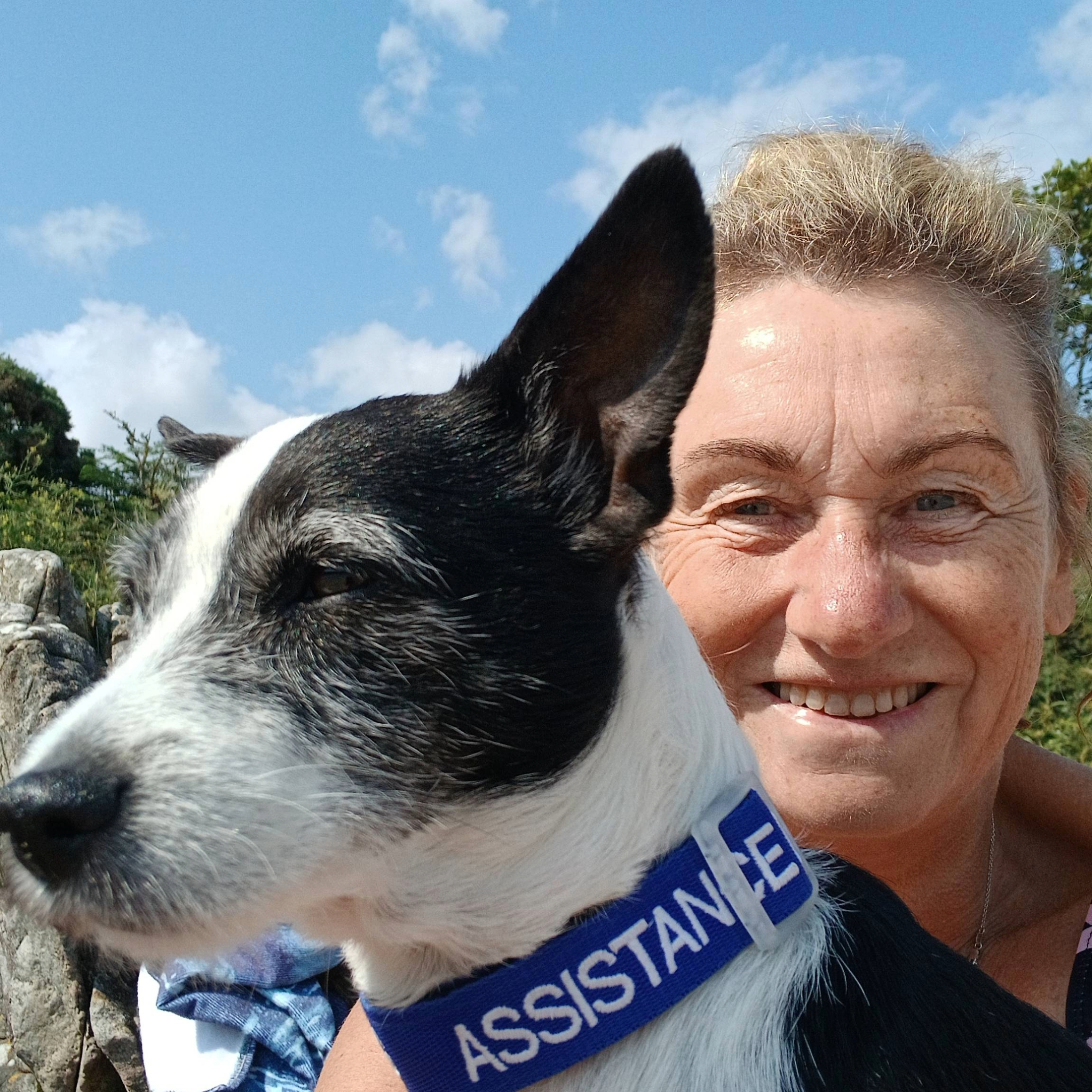
Wild swimming is what keeps me grounded. I’ve got sciatica and spondylosis in my spine, so I can’t walk far anymore and the dooking has taken over from the walking. Another lady and I have started a new swimming group and through December and January I get in the cold water every single day.
The cold water resets you and you feel fantastic afterwards.
Rebuilding confidence after the end of the caring role
Life is so much better, but I still feel I’ve not gotten over it. Not yet. We were together for almost 40 years. That’s a lifetime and you can’t just change overnight after that.
Nobody’s asking me where I’ve been or what we’re having for tea anymore. I’m actually learning to fly solo. But I still need this group’s support and the close friends I’ve made there.
Sue’s story was shared with support from Gordon, Carer Support Worker for Change Mental Health’s Carer Support in Dumfries and Galloway.
support
If you are a parent caring for an adult child with mental health challenges, support is available.
Our Carer Support services can offer emotional support, practical advice, advocacy and help with navigating health and social care systems.
The National Advice and Support Service can provide information on carers’ rights, benefits and signposting to support across Scotland. The service is open Monday to Friday, 10am to 4pm (closed for lunch between 12.30pm to 1.30pm). Contact 0808 8010 515, email advice@changemh.org or fill in the form on the service webpage.
